

How Long Does Auto Body Repair Take? A Real-World Timeline for 2026

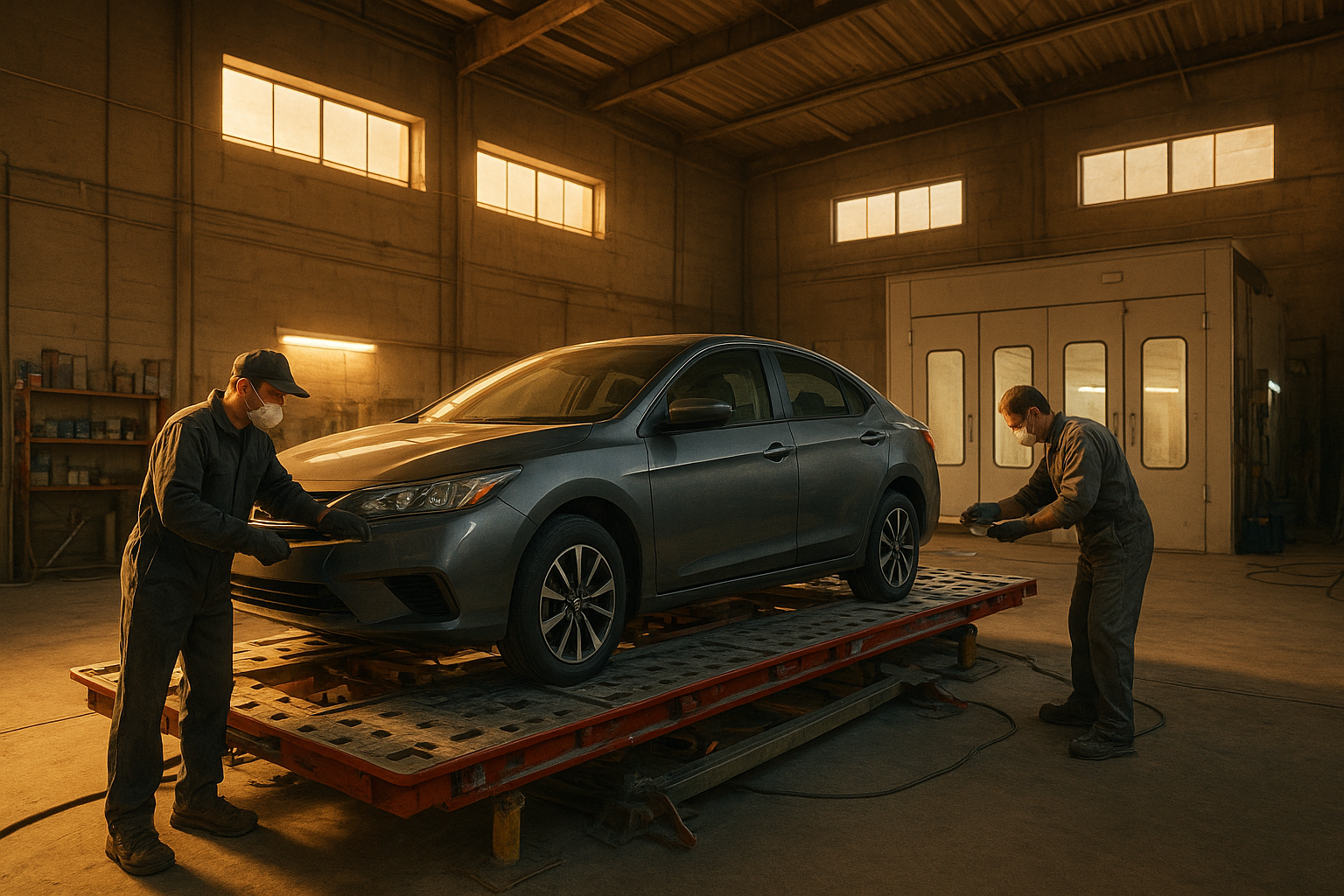
From assessment to paint, several stages determine auto body repair time. For a deeper walkthrough, see our Are There Warranties for Auto Body Repair Services?.
If you’ve just had a fender bender or found an unwanted crease on your door, your first question is probably about auto body repair time — how long does the work take? The honest answer: it depends on the damage, parts availability, insurance approvals, and your shop’s process. Below, we break down realistic timeframes—from same?day cosmetic fixes to multi?week structural repairs—so you know what to expect and how to plan your schedule in 2026.
What actually determines how long auto body repair takes?
Repair time is a function of both the work itself and the logistics around it. The major drivers are: For a deeper walkthrough, see our What Is the Average Time for Auto Body Repairs?.
- Severity and location of damage: A scuffed bumper cover without cracks is very different from a quarter?panel crease that touches a seam or a roof rail. Structural hits and damage that intersects multiple panels add days.
- Parts availability and type: New OEM parts can be back?ordered; aftermarket or recycled options may be faster or slower depending on supply. Painted or sensor?integrated parts (grilles, bumpers) also affect timing.
- Mechanical and safety systems: Airbags, radiators, or suspension components require additional labor and testing. Modern ADAS features (radar, cameras, lane assist) often require post?repair calibrations that can add a half to a full day.
- Insurance approvals: Initial approval typically takes 1–3 business days. If hidden (supplemental) damage is discovered after teardown, expect another approval cycle.
- Shop scheduling and equipment: A well?staffed shop with in?house frame, aluminum, and a calibrated paint booth keeps things moving. Bottlenecks—especially in paint or calibration—can extend timelines.
- Refinish complexity: Tri?coat pearls, color matches on rare finishes, or blending adjacent panels increase spray and curing time.
- Quality control and road test: Final inspections, fault?code scans, and a road test ensure safety and finish quality, adding crucial hours at the end.
Typical auto body repair time by damage type
Every car is unique, but repair timelines reflect what most drivers experience in a professional collision center.

I‑CAR repair timelines — from quick cosmetic work to multi?week structural and ADAS repairs.
1) Minor cosmetic repairs — Auto body repair time: 1–2 days
Examples include small dents without paint damage, bumper scuffs that can be spot?repaired, or minor paint touch?ups. If the vehicle is already at the shop and no parts are needed, these jobs can be turned around the same day or next day, depending on booth scheduling and curing time.
2) Bolt?on part replacement: 2–5 business days
Front or rear bumper cover replacements, headlight assemblies, or mirror housings usually fall here. The pace depends on parts delivery, color matching, and whether adjacent panels need blending to achieve a seamless finish; see typical paint repair time estimates.
3) Multi?panel cosmetic with blending: 4–8 business days
When creases span a door and quarter panel, or when a color?sensitive finish requires blending across neighboring panels, labor and spray time increase. Expect extra days for bodywork, primer, block sanding, base/clear coats, and proper curing before reassembly — learn typical repair costs and estimates that affect parts and timing.
4) Structural collision with ADAS: 2–4+ weeks
Frame measurements and pulls, welding, sectioning, and alignment add complexity. If airbags deployed or radiators and condensers were affected, plan for added mechanical work and parts. Most late?model vehicles also need ADAS calibration guidance after repairs, which adds shop or sublet time and final verification drives.
The step?by?step process and how much time each stage takes
Understanding the repair workflow helps you see where days get added—or saved.
- Check?in and blueprint (0.5–1 day): Photos, preliminary estimate, and a repair plan. Efficient shops blueprint early to minimize surprises.
- Disassembly and hidden damage discovery (0.5–1 day): Panels are removed to reveal what’s behind. Supplemental damage, if found, triggers a revised estimate.
- Insurance authorization (1–3 business days): Digital approvals are fastest; complex claims or supplements may take longer.
- Parts procurement (1–7+ days): In?stock parts arrive quickly; back?orders or specialty finishes can extend timelines.
- Structural/mechanical repairs (1–5 days): Frame setup and pulls, suspension, cooling, or airbag?related work.
- Bodywork and panel prep (1–3 days): Straightening, filler, primer, and block sanding to get panels laser?straight.
- Paint and curing (1–2 days): Color match, basecoat/clearcoat, bake or air cure, and initial polish.
- Reassembly and calibrations (0.5–2 days): Trim, lights, sensors, and ADAS calibration procedures as required.
- Detailing, QC, and road test (0.5 day): Clean?up, scan for fault codes, leak checks, and a short road test.

From blueprint to I-CAR calibration guidance, each phase adds time—and opportunities to keep the job on schedule.
Three real?world scenarios (and why the timelines differ)
Scenario A: Bumper scuff on a daily driver
A 2021 compact sedan with a localized bumper scuff and no cracks. The shop can sand, fill, and spot?refinish the affected area, then polish after cure. With no parts or insurance delays, this is often a 1–2 day turnaround.
Scenario B: Front?end hit with sensor concerns
A 2023 crossover needs a new bumper cover and grille; the radar sensor lives behind the emblem. Parts arrive in two days. After paint and reassembly, the vehicle needs radar calibration and a verification drive. See our collision repair timeline for typical ADAS workflows. Expect 4–7 business days if approvals are prompt.
Scenario C: Side impact with structural work
A 2019 pickup sustains a deep crease into the cab corner; inner structure is affected. The shop performs pulls on a frame rack, replaces the outer panel, blends adjacent panels, then completes alignments and scans. With parts lead time and potential supplements, plan for 2–3+ weeks.
How insurance can shorten—or extend—your repair time
Insurance isn’t just about who pays; it shapes the schedule. Quick digital photo estimates help start the process, but a proper blueprint after teardown often reveals supplemental damage. Each supplement needs approval, which can add 1–3 business days. Choosing a shop with clear, proactive communication helps keep approvals moving and prevents idle days.
If you need a rental car, ask your insurer whether your policy includes rental coverage and for how many days. Aligning rental duration with a realistic repair timeline reduces stress if parts delays crop up.
What you can do to get the most accurate timeline
The fastest path to clarity is a professional on?site assessment. Bring the car in clean, mention warning lights, share prior repair history, and note any aftermarket accessories or wraps—they can influence disassembly and paint strategy. For a precise estimate and a transparent schedule, you can request a repair timeline from Brea Auto Body. Their team can review damage in person, confirm parts availability, and explain any ADAS calibration steps your vehicle might need.
Frequently asked questions about auto body repair time
Can I keep driving while I wait for parts?
Only if it’s safe and legal: no sharp edges, no loose lights, no rubbing tires, and no structural concerns. If airbags deployed or a sensor is compromised, park it until the shop and your insurer advise otherwise.
Why does paint need extra time even after spraying?
Modern finishes require proper curing, temperature control, and sometimes staged polishing to achieve a durable, factory?like gloss. Skipping these steps risks defects and premature wear.
What if parts are on back?order?
Your shop may propose alternatives (recycled OEM, reconditioned, or aftermarket) if appropriate and approved by you and your insurer. The choice can change cost, fit, and timing—your advisor will outline trade?offs.
Do holidays or weather affect repair time?
Yes. Carrier schedules, supplier closures, and extreme weather can slow shipping and calibrations. Plan for a few buffer days around major holidays.
Bottom line: How long does auto body repair take?
As a rule of thumb in 2026: minor cosmetic work is often 1–2 days; bolt?on replacements take 2–5 business days; multi?panel cosmetic jobs run 4–8 business days; and structural or ADAS?heavy collisions can require 2–4+ weeks. Your exact timeline depends on parts and approvals as much as the wrench time.
For the most accurate answer, get a professional blueprint and parts ETA. If you’re in Orange County, contact Brea Auto Body to schedule an in?person estimate. A brief visit now can save days later by locking in the right plan, parts, and calibration steps.

