

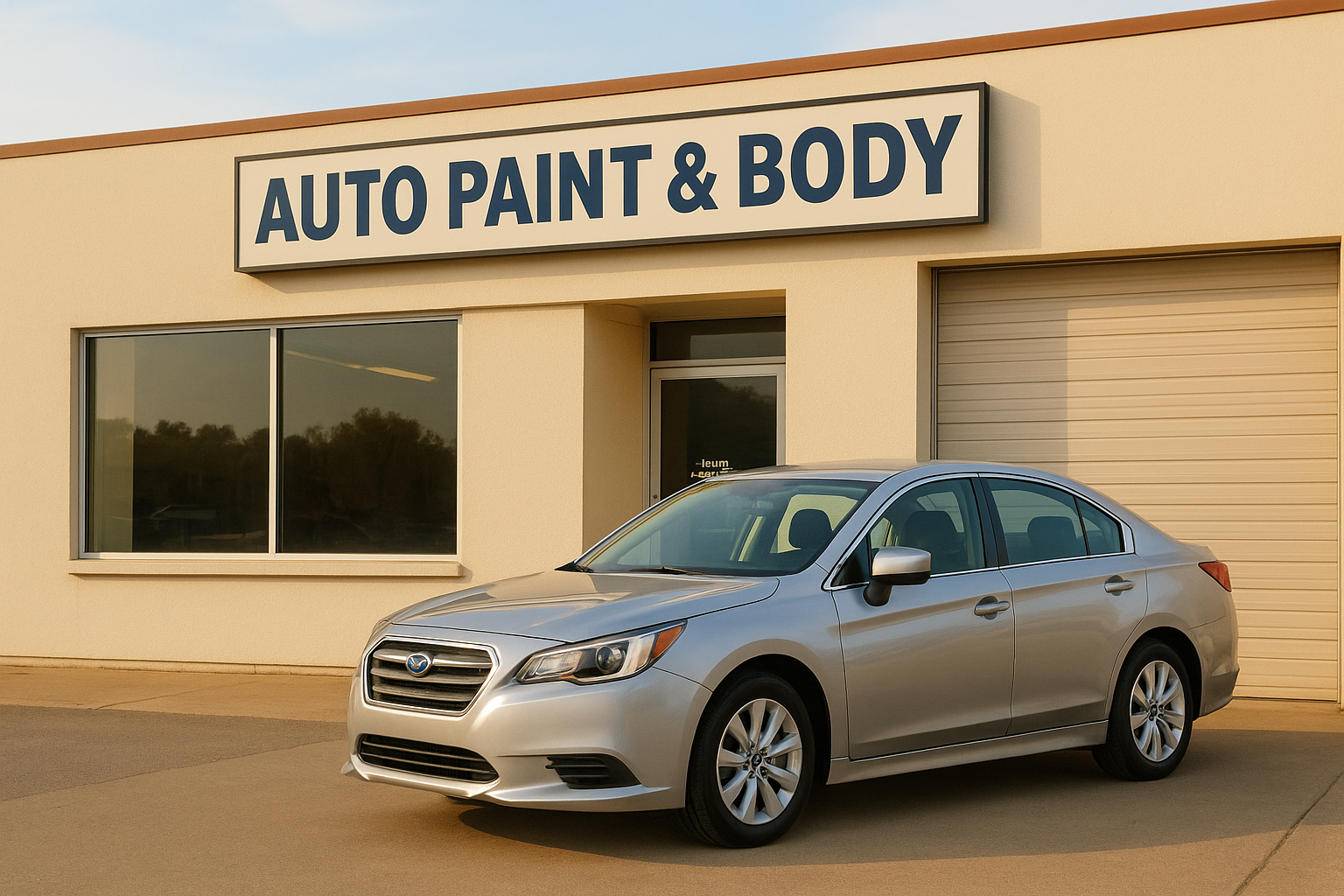
Searching for reliable auto paint and body shops near me usually starts the moment a fender gets crunched, a door gets keyed, or factory paint starts to fade and peel. Because the shop you choose affects your car’s safety, resale value, and everyday appearance, this is not a decision to rush. A poor repair can hide structural problems, mismatch paint for years, and cost you thousands more down the road than the original estimate suggested.
This guide goes further than a basic locator page. Instead of simply pointing you toward a map of nearby shops, it explains exactly what these businesses do, how to compare national chains against independent local shops, what certifications actually mean, what you should pay, and which red flags should send you walking out the door. By the end, you will know precisely how to evaluate any auto paint and body shop near you with confidence.
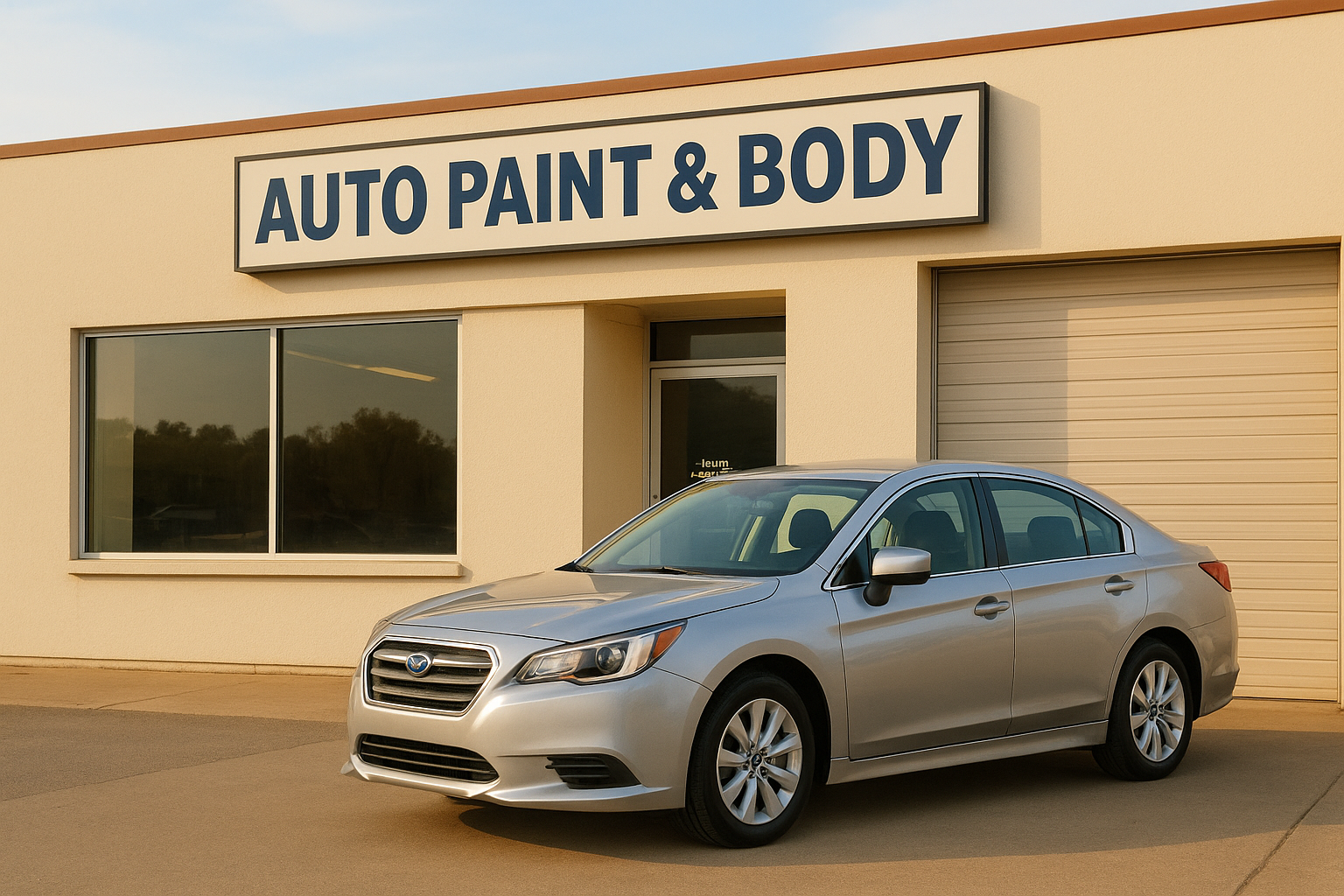
A clean, organized shop exterior is often the first sign of quality workmanship inside.
What Auto Paint and Body Shops Actually Do
Auto paint and body shops repair the exterior structure and finish of a vehicle. Their core work includes collision repair, dent removal, panel replacement, rust treatment, and full or partial repaints. In addition, many shops now offer frame straightening, bumper restoration, paintless dent repair, and paint protection film installation. For a deeper walkthrough, see our Auto Body Technicians Orange County: What to Know Now.
Unlike a general mechanic, technicians at these shops focus on what you can see and touch — the metal, plastic, and paint that make up your car’s outer shell. As a result, their training centers on metalworking, surface preparation, and paint chemistry rather than engines or transmissions.
According to the Wikipedia overview of automobile repair shops, body repair has grown increasingly technical as manufacturers add aluminum panels, high-strength steel, and advanced driver-assistance sensors that must be recalibrated after collision work.
Collision Repair
Collision repair covers everything from a cracked bumper to a bent frame. Specifically, technicians assess structural integrity first, then move to cosmetic repair once the frame is confirmed sound.
Paint Services
Paint services range from a single-panel touch-up to a complete repaint. Because color accuracy matters so much, this is often where shop quality varies the most.
Dent and Bumper Repair
Paintless dent repair (PDR) removes minor dings without disturbing factory paint, which saves money. However, deeper dents or torn panels still require traditional bodywork and repainting.
National Chains vs. Independent Auto Body Shops Near Me
When you search for auto paint and body shops near me, results typically mix two categories: large franchise chains and independently owned local shops. Each comes with genuine trade-offs, so it helps to understand them before you decide.
National franchises offer standardized pricing, nationwide warranty transferability, and predictable marketing promises like “free estimates.” That consistency appeals to drivers who move often or want a familiar brand name. On the other hand, franchise locations are independently owned in most cases, so quality can still vary from one location to the next despite shared branding.
Independent shops, by contrast, often build reputations on personalized service, owner-operator accountability, and long-term community relationships. Consequently, many independent shops invest heavily in certifications and equipment to compete against bigger names. For example, Brea Auto Body publishes its full repair process online, giving customers transparency that some larger operations do not offer at the local level.
Neither model is automatically better. Instead, the right choice depends on the specific shop’s certifications, reviews, warranty terms, and communication — the same factors you should evaluate at any candidate, franchise or independent.
How to Find the Best Auto Paint and Body Shops Near Me
Selecting a shop does not have to feel overwhelming. Follow this seven-step process to narrow down your options with confidence.
1Define your repair needs before you search. Decide whether you need a full repaint, a single-panel touch-up, or structural collision repair, since not every shop handles every job type equally well.
2Search strategically using multiple sources. Check Google Maps, Yelp, your insurer’s directory, and local community groups, then shortlist shops holding at least a 4.0-star average with a meaningful volume of reviews.
3Verify certifications directly with the shop. Ask whether technicians hold I-CAR Gold Class or ASE credentials, since these confirm ongoing training on current repair procedures and equipment.
4Read reviews beyond the star rating. Scan the written text for recurring complaints about poor paint blending, surprise charges, or missed deadlines, since patterns matter more than a single bad review.
5Request written estimates from at least three shops. Compare the itemized scope of work rather than the bottom line, because an unusually low bid often means skipped steps or cheaper materials.
6Ask the right questions before committing. Inquire about warranty length, OEM versus aftermarket parts, paint-matching technology, and how hidden damage discovered mid-repair will be handled and billed.
7Confirm the repair plan and paperwork in writing. Review and sign an authorization outlining the scope, estimated cost, and timeline before your vehicle enters the shop, protecting both parties if disputes arise later.
Certifications and Warranties: Why They Matter More Than Price
Many drivers pick the cheapest estimate without weighing quality indicators. However, a lower price often reflects non-OEM parts, thinner paint coats, or less experienced labor. In contrast, a shop that invests in certified technicians and quality materials typically delivers repairs that last much longer.
I-CAR Gold Class is the industry’s highest training recognition, confirming every repair role at a shop meets annual training requirements. Similarly, ASE certification signals that individual technicians have passed standardized competency exams. The Better Business Bureau is another useful resource for checking a shop’s complaint history and accreditation status before you commit.
Understanding Warranty Terms
Warranty coverage varies widely between shops. Some offer a limited lifetime warranty on paint and labor for as long as you own the vehicle, while others cap coverage at 12 or 24 months. Therefore, always ask whether the warranty is transferable if you sell the car, and get the exact terms in writing rather than relying on a verbal promise.
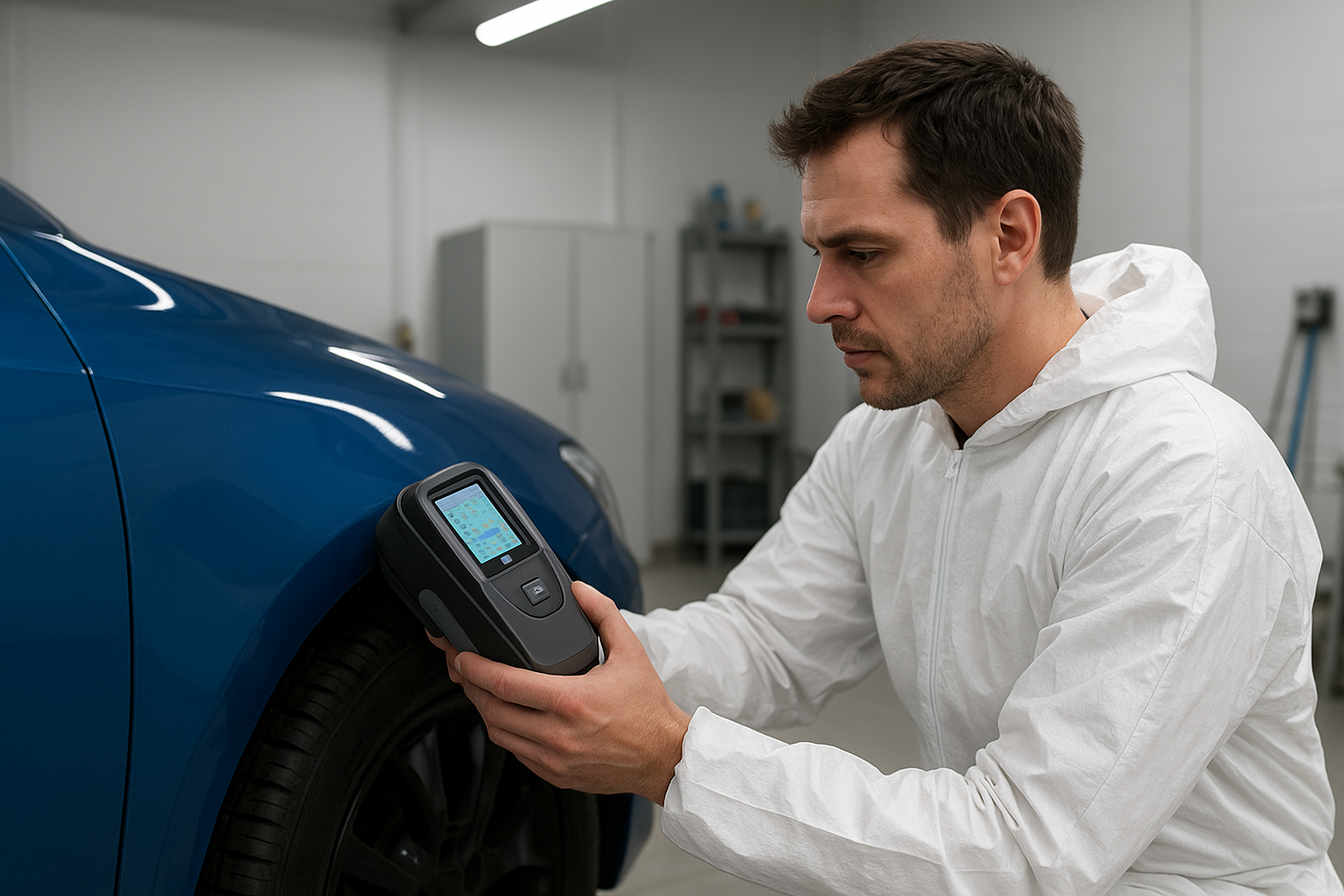
Computerized paint-matching systems help technicians achieve seamless results across repaired panels.
Paint Matching and Finish Quality Explained
One of the most visible outcomes of any body repair is whether new paint matches the rest of your vehicle. Because factory paint fades and shifts with age, matching a repaired panel to weathered surrounding panels takes real skill and technology. Reputable shops use spectrophotometers — devices that measure color wavelength — or computerized mixing systems that read your vehicle’s paint code and adjust for weathering.
Beyond color, finish quality depends on proper surface preparation. Specifically, technicians must sand, prime, and seal surfaces correctly before applying topcoats. Skipping these steps causes peeling, bubbling, or a chalky appearance within months.
Ask any shop you’re considering how many coats they apply and whether they use a clear coat baked in a controlled spray booth. This single question quickly separates shops that treat paint as a craft from those that treat it as an afterthought.
Getting an Estimate: Online Tools vs. In-Person Visits
Many shops, including large chains, now advertise free online or photo-based estimate tools. These can be a useful starting point, especially for cosmetic damage. However, photo estimates almost always carry a disclaimer that the final price may change once a technician inspects the vehicle in person.
For that reason, treat online estimates as a rough guide rather than a final number. Instead, use them to shortlist shops, then schedule an in-person inspection for anything beyond a minor scratch. Hidden damage such as bent brackets or misaligned panels is rarely visible in a photo, and it can significantly change the final cost.
Working With Your Insurance Company
If you’re filing a claim, your insurer may recommend a list of preferred or “direct repair program” shops. However, in most states you have the legal right to choose any licensed facility — not just those on your insurer’s list. Choosing a non-preferred shop may require extra paperwork, but your insurer must still honor valid repair costs.
Before your vehicle enters the shop, confirm that it communicates directly with your insurer and handles supplement claims if hidden damage surfaces during disassembly. A shop experienced in insurance work manages this process for you, which reduces stress and delays considerably.
Environmental Standards and Low-VOC Paint
Auto paint contains volatile organic compounds (VOCs) — chemicals that evaporate into the air during spraying and curing. Because of this, the U.S. Environmental Protection Agency regulates VOC emissions from auto refinishing facilities, and reputable shops operate certified spray booths with proper ventilation and filtration to meet these standards.
Ask whether a shop uses waterborne, low-VOC paint systems. These formulas reduce environmental impact and often produce a more consistent finish than older solvent-based paints, so this question doubles as both an eco-conscious check and a quality signal.
Seasonal and Weather Considerations for Paint Jobs
Temperature and humidity affect how paint cures. Consequently, shops with climate-controlled spray booths deliver more consistent results year-round than those relying on open-air or unheated bays, particularly in winter or high-humidity climates.
If you live somewhere with extreme seasonal swings, ask specifically whether the shop’s booth is temperature and humidity controlled. This small detail often explains why two shops charging similar prices can produce very different long-term finish quality.
DIY Touch-Up vs. Professional Repair
Small scratches limited to the clear coat can sometimes be handled with a touch-up pen or rubbing compound. In particular, this works well for surface-level marks that haven’t reached the primer or metal.
However, once a scratch exposes primer or bare metal, or a dent creases a body line, DIY kits rarely produce a durable, invisible fix. At that point, a professional auto paint and body shop near you is the safer investment, since improper DIY repair can trap rust beneath fresh paint and cost more to correct later.
Red Flags to Avoid When Evaluating Shops
Not every shop that appears in a local search delivers reliable results. Watch for these warning signs before committing:
- No written estimate or warranty — verbal promises are nearly impossible to enforce if something goes wrong later.
- Pressure to decide immediately — reputable shops give you time to compare options without high-pressure sales tactics.
- Unusually low bids — prices far below competitors often signal substandard materials or incomplete repairs.
- Disorganized or dirty facility — a cluttered shop frequently reflects careless work practices and poor attention to detail.
- No verifiable reviews or credentials — a shop with no online presence, certifications, or BBB listing is difficult to hold accountable.
- Vague answers about parts sourcing — a trustworthy shop clearly states whether it uses OEM, aftermarket, or recycled parts, and why.
How Much Should You Expect to Pay?
Repair costs vary based on damage extent, vehicle make and model, and your geographic location. As a general guide:
| Repair Type | Typical Cost Range |
|---|---|
| Minor scratch or dent | $150 – $300 |
| Paintless dent repair | $75 – $250 |
| Single-panel repaint | $300 – $800 |
| Bumper repair or replacement | $250 – $1,200 |
| Moderate collision repair | $500 – $2,500 |
| Full vehicle repaint | $1,500 – $5,000+ |
| Structural / frame repair | $600 – $10,000+ |
These figures are estimates only. Always get a written quote specific to your vehicle and damage before authorizing work. Additionally, remember that your insurance deductible affects your out-of-pocket cost even after a claim is approved.
Financing Options for Larger Repairs
Many shops now partner with third-party financing companies to offer monthly payment plans for repairs that exceed a few thousand dollars. If cost is a concern, ask upfront whether financing is available and review the interest terms carefully before signing, since promotional rates can expire quickly.
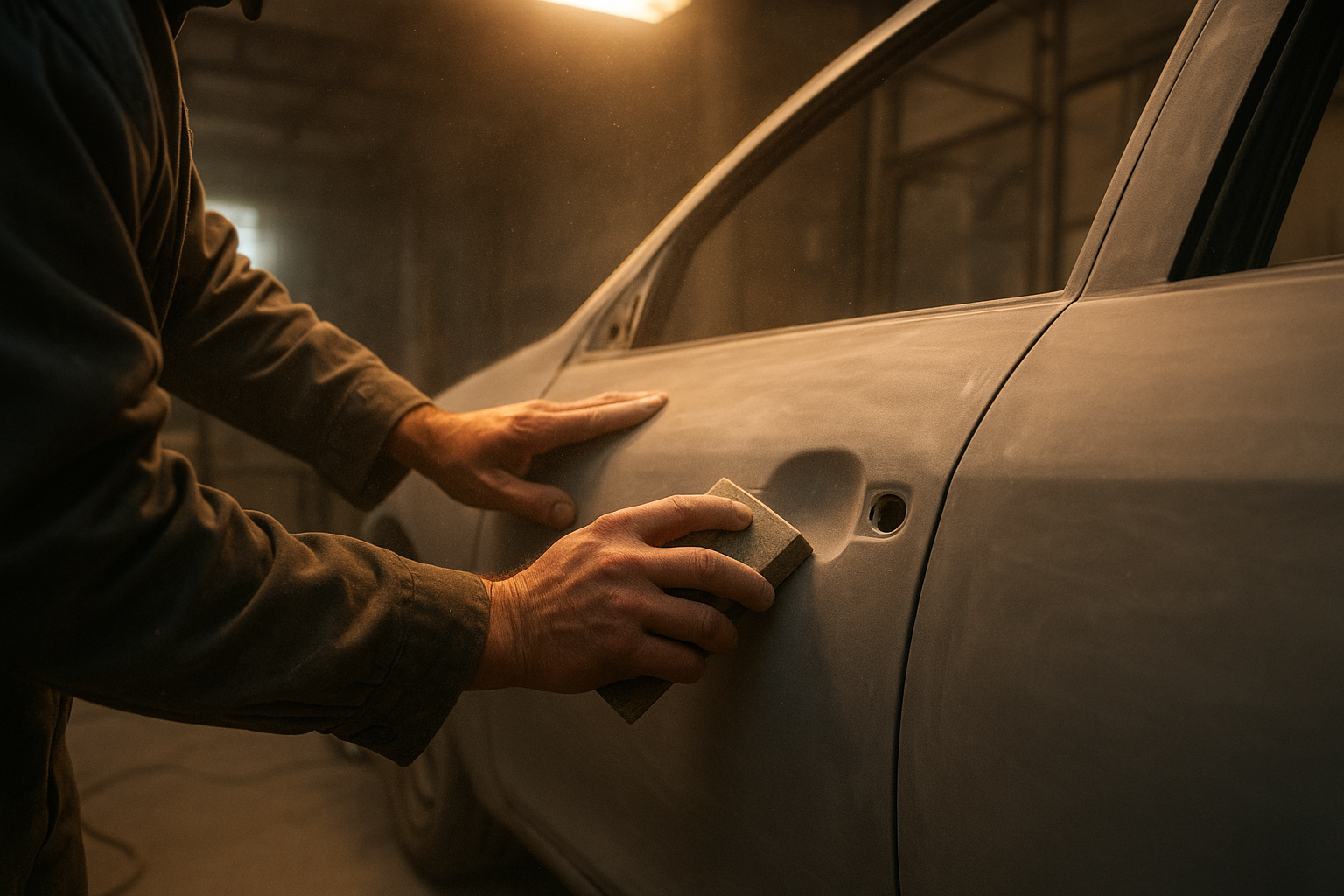
Surface preparation is a critical step that determines how well the final paint finish bonds and lasts.
Making the Final Decision
Once you have gathered estimates, checked credentials, and toured the facilities, the final decision usually comes down to communication. A shop that listens carefully, explains the repair process in plain language, and gives a realistic timeline is one that respects your time and your investment.
If you would like to compare more repair guides or explore related maintenance topics, visit our auto repair resource hub, browse our collision repair cost breakdowns, or check our guide to working with insurance adjusters for more detail on the claims process.
In conclusion, searching for auto paint and body shops near me is only the first step. The real work lies in evaluating each candidate carefully — comparing certifications, warranties, reviews, environmental practices, and communication style — before choosing the shop that demonstrates both technical skill and honest dealing. Your vehicle is a significant investment, and it deserves repair work that protects that value for years to come.
Frequently Asked Questions About Auto Paint and Body Shops Near Me
What do auto paint and body shops near me actually fix?
Auto paint and body shops repair collision damage, dents, scratches, rust, and faded or chipped paint. Many also handle frame straightening, bumper replacement, and full vehicle repaints.
How do I find a trustworthy auto body shop near me?
Look for verified online reviews, industry certifications such as I-CAR or ASE, and a written warranty on repairs. Visiting in person to assess cleanliness and professionalism is also a reliable indicator of quality.
How much does auto body repair typically cost?
Minor dent or scratch repairs can cost between $150 and $300, while moderate collision repairs range from $500 to $2,500. Extensive structural or full-panel paint work can exceed $5,000 depending on vehicle and damage severity.
Will my insurance cover auto body and paint repairs?
Comprehensive and collision coverage typically pays for auto body and paint repairs after an accident or covered event. You are usually responsible for your deductible, and your insurer may suggest a list of preferred shops.
How long does auto paint and body repair take?
Minor repairs may be completed in one to two days. More involved collision work, especially when parts must be ordered, can take five to ten business days or longer.
What certifications should a quality auto body shop have?
Look for I-CAR Gold Class certification, ASE-certified technicians, and manufacturer-specific certifications if you drive a luxury or specialty vehicle. These credentials confirm technicians follow current repair standards.
Should I get multiple estimates before choosing a shop?
Yes, getting two or three written estimates helps you understand fair market pricing and identify any shop that is significantly overcharging or cutting corners. Compare scope of work, not just the bottom-line price.
What questions should I ask an auto body shop before committing?
Ask about warranty length on labor and paint, whether they use OEM or aftermarket parts, how they handle hidden damage discovered during repairs, and their estimated completion timeline. Clear answers signal a reputable shop.
Does paint color matching matter, and how do shops handle it?
Paint color matching is critical for a seamless repair. Reputable shops use computerized color-matching systems that read your vehicle’s paint code and blend new paint with surrounding panels to eliminate visible mismatches.
Is it safe to drive my car to an auto body shop after an accident?
If your vehicle has structural damage, deployed airbags, or fluid leaks, it should be towed rather than driven. Minor cosmetic damage is generally safe to drive, but always confirm with the shop first.
What is the difference between an auto body shop and a mechanic?
Auto body shops specialize in repairing the exterior structure and finish of a vehicle, including panels, frames, and paint. Mechanics, in contrast, focus on mechanical and electrical systems such as the engine, brakes, and transmission.
Can I choose my own auto body shop if my insurance company suggests one?
In most states you have the legal right to choose any licensed auto body shop regardless of your insurer’s preferred network. Using a non-preferred shop may require extra documentation, but your insurer must still cover valid repair costs. For a deeper walkthrough, see our Auto Body Yorba Linda: The Complete Local Guide to Collision Repair Done Right.
Is a national franchise body shop better than an independent local shop?
Neither type is automatically superior. Franchises offer standardized pricing and nationwide warranty transfer, while independents often provide more personalized service. Always judge a specific location by its certifications, reviews, and warranty terms rather than its brand name alone.
Do auto body shops offer financing for repairs?
Many shops partner with third-party lenders to offer monthly payment plans for repairs that exceed a few thousand dollars. Always review the interest rate and repayment terms carefully before signing any financing agreement.
Are eco-friendly or low-VOC paint options available at auto body shops?
Yes, many shops now use waterborne, low-VOC paint systems that meet EPA environmental standards while producing a consistent, durable finish. Ask your chosen shop whether they use these systems if sustainability matters to you.

