

Bodyshop automotive is the professional practice of restoring a vehicle’s exterior structure, panels, and finish after collision damage, rust, or general wear. Whether you’ve been in a minor fender bender or a serious crash, understanding how auto body repair works helps you make smarter decisions and get your car back in top shape. In this guide, we cover every key aspect of the process — from your first estimate to the final inspection.
What Is Bodyshop Automotive?
Bodyshop automotive refers to a specialized repair facility where trained technicians fix the physical exterior of vehicles. According to the Wikipedia entry on auto body shops, these facilities handle everything from minor cosmetic scratches to full structural reconstruction after severe collisions.
In short, a body shop is different from a mechanical garage. Mechanical shops focus on engines, transmissions, and drivetrains. Body shops, however, specialize in sheet metal, paint, glass, and structural frames. Both types of repair are important, but they require very different tools and expertise.
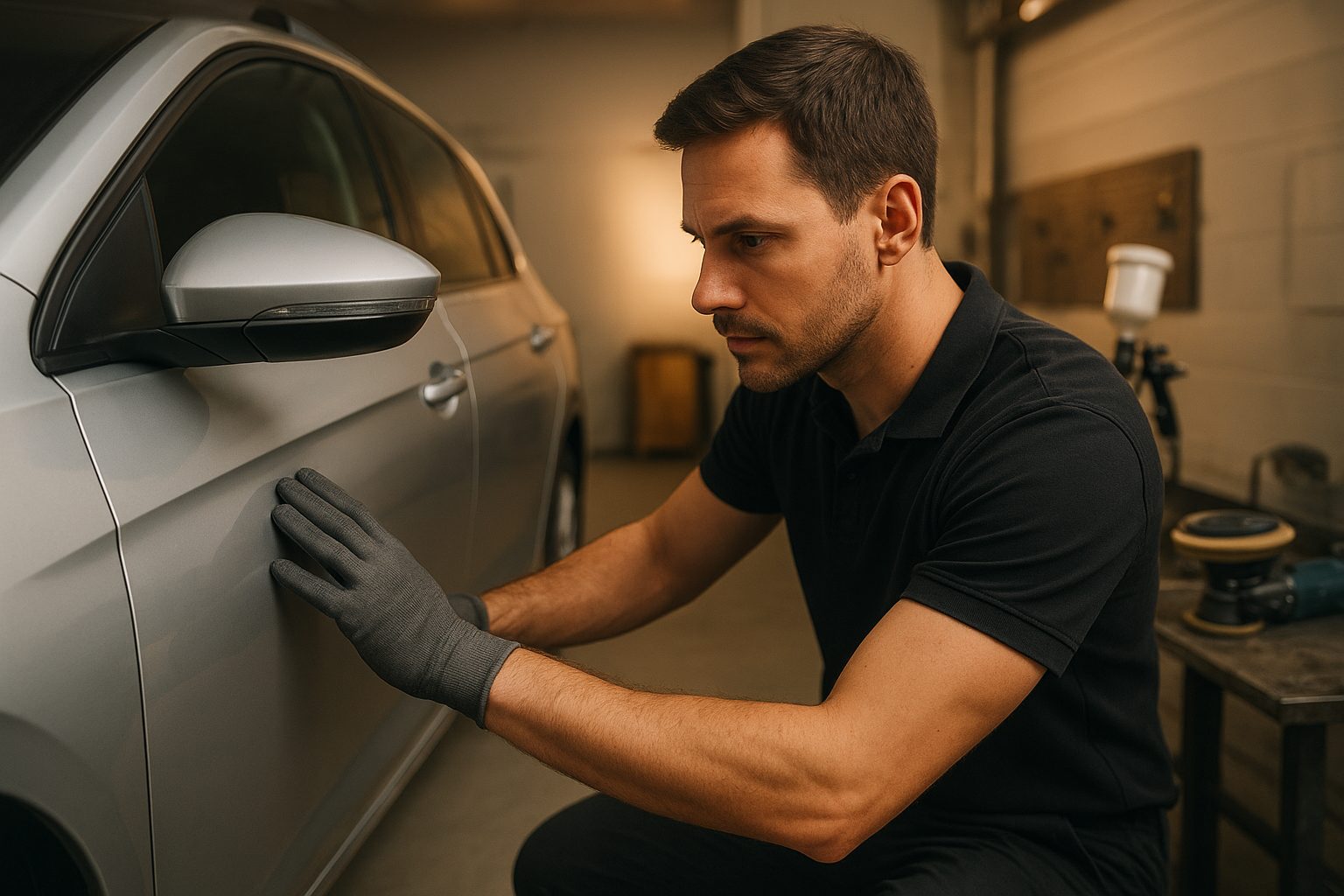
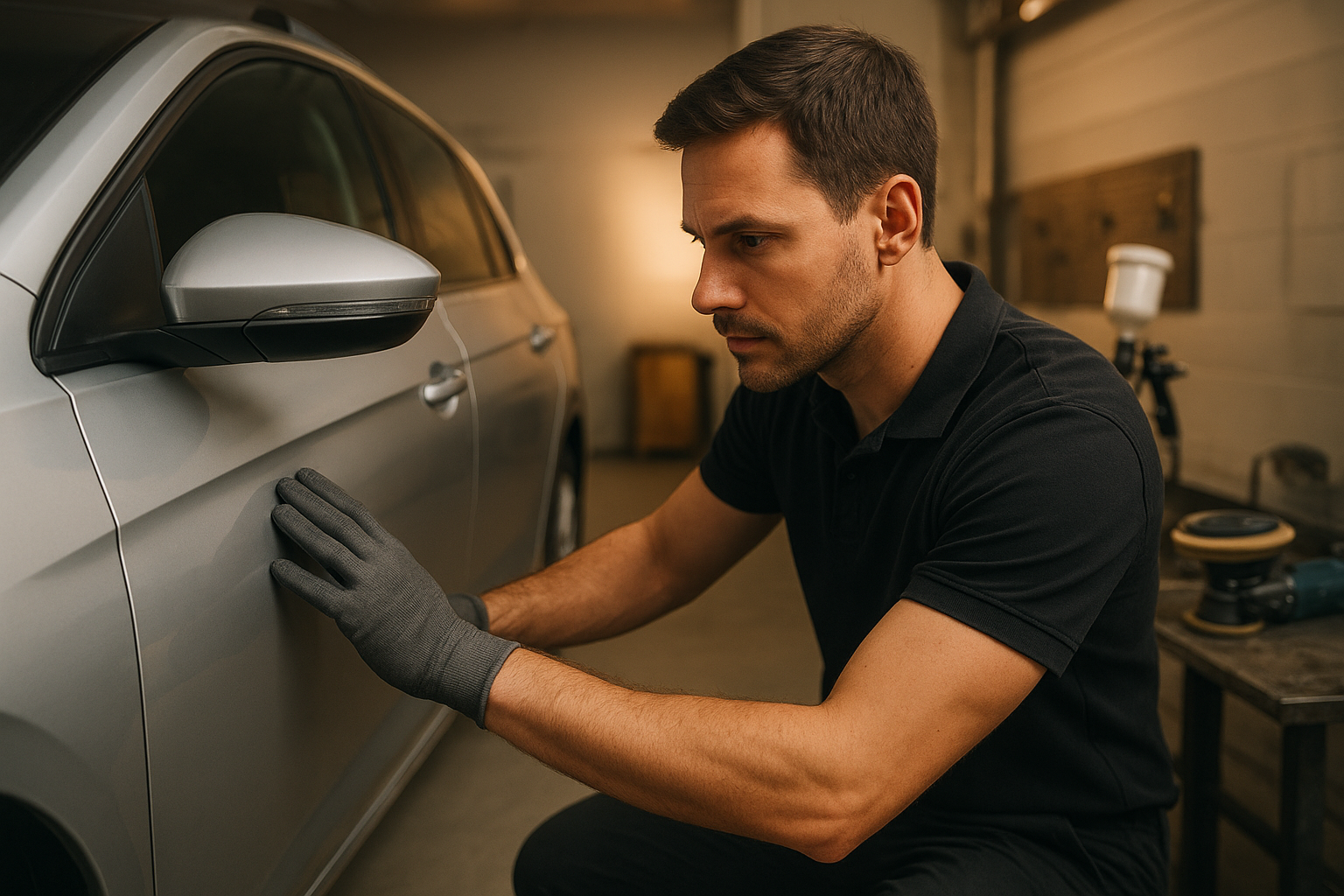
A skilled bodyshop automotive technician carefully evaluates panel damage before beginning the repair process.
Core Services Offered at an Auto Body Shop
Most auto body repair facilities offer a broad range of services. Understanding what each service involves helps you communicate clearly with your technician and set realistic expectations.
The most common services include:
- Collision repair — Fixing damage caused by accidents, including dented panels and broken bumpers.
- Frame straightening — Restoring the vehicle’s structural frame to factory specifications using hydraulic equipment.
- Paintless dent repair (PDR) — Removing small dents without disturbing the original paint finish.
- Automotive painting — Applying color-matched paint to repaired panels for a seamless look.
- Rust treatment and panel replacement — Addressing corrosion before it spreads to structural components.
- Glass repair and replacement — Fixing cracked windshields or broken side windows.
The Importance of Frame Straightening
Frame damage is one of the most serious outcomes of a collision. Consequently, frame straightening is often the most critical step in a full repair. Technicians use computerized measuring systems to confirm the frame returns to exact factory tolerances. A misaligned frame affects steering, tire wear, and overall safety — so this step should never be skipped.
How Automotive Paint Matching Works
One of the most impressive skills in vehicle body repair is achieving a seamless color match. Every vehicle has a unique paint code, typically found on a sticker inside the driver’s door jamb. Technicians use this code to mix an exact formula.
Furthermore, many modern shops use spectrophotometers — devices that scan the existing paint on the car and analyze its color wavelengths precisely. This technology is especially valuable on older vehicles where the original paint has faded slightly over time. The result is a repair that blends invisibly into the surrounding panels.
According to industry data, paint and materials account for roughly 25% of the total cost of a typical collision repair job, making it one of the largest individual cost categories in the process.
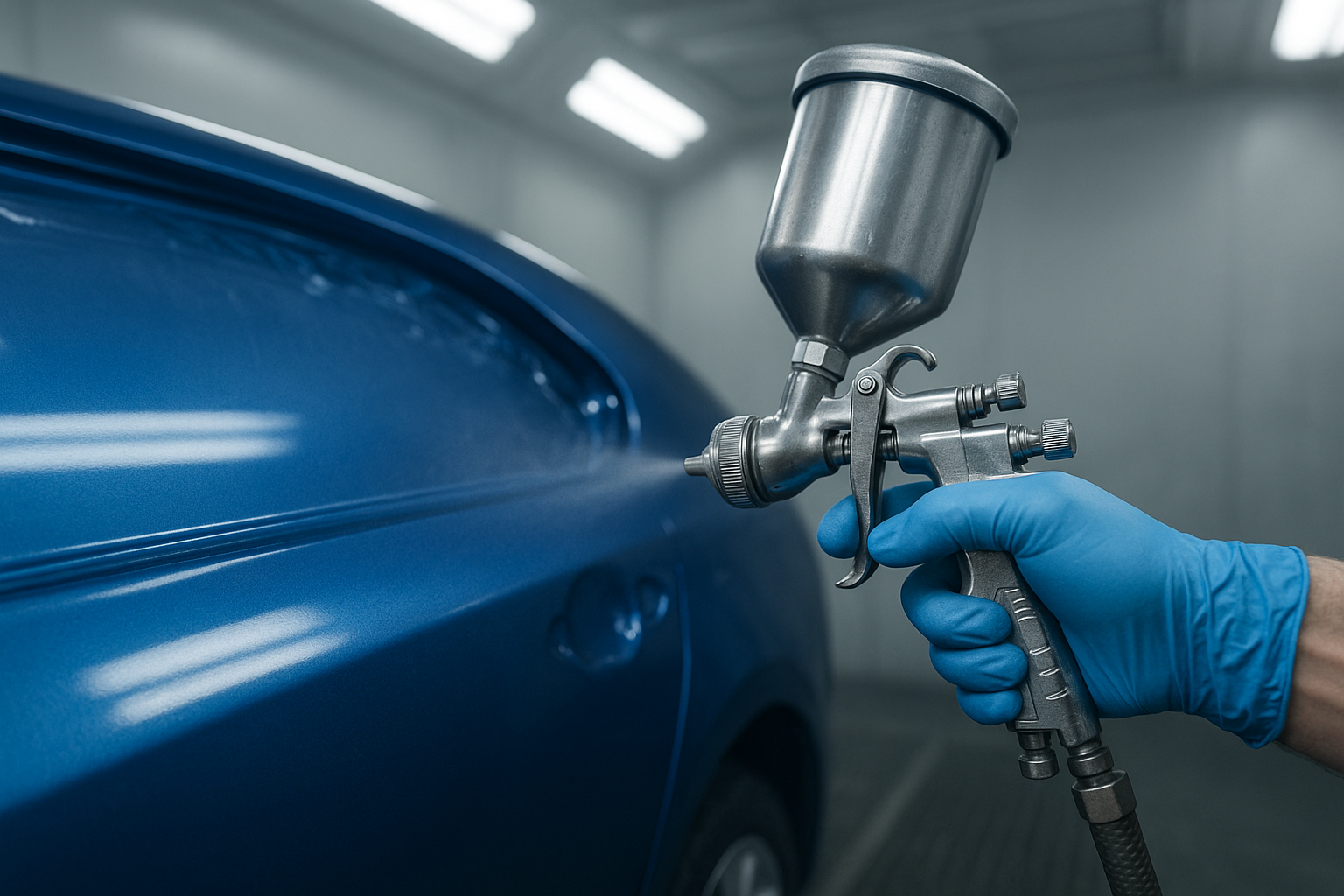
Professional spray booths ensure a dust-free environment for flawless automotive paint application.
How to Choose a Reputable Car Body Shop
Choosing the right facility makes a significant difference in the quality of your repair. Therefore, it pays to do a little research before handing over your keys. Here are the most important factors to consider:
- I-CAR Gold Class certification — This is the industry’s highest training standard for collision repair technicians.
- ASE-certified technicians — The National Institute for Automotive Service Excellence certifies individual technicians for competency.
- Written estimates — Always insist on a detailed, itemized written estimate before authorizing any work.
- Warranty on repairs — Reputable shops stand behind their work with a written warranty on both parts and labor.
- Customer reviews — Recent reviews on Google or Yelp reveal real experiences with quality, communication, and turnaround time.
For example, Brea Auto Body is a well-regarded local provider that demonstrates many of these qualities, offering transparent estimates and certified repair services. Reviewing shops like this one can help you understand what a professional auto body experience should look like.
OEM vs. Aftermarket Parts: Which Is Better?
Parts choice is another important decision. OEM (Original Equipment Manufacturer) parts come directly from your vehicle’s manufacturer and guarantee a precise fit. Aftermarket parts, in contrast, are made by third-party suppliers and can vary widely in quality. In general, OEM parts are the safer choice for structural components, while aftermarket parts may be acceptable for non-structural cosmetic pieces when budget is a concern.
Step-by-Step: Navigating Your Auto Body Repair
Knowing what to expect at each stage of the process removes a lot of stress. Here is a clear, sequential breakdown of how a typical bodyshop automotive repair unfolds:
- Document the damage. Immediately after an incident, photograph all visible damage from multiple angles in good lighting before moving the vehicle.
- Contact your insurance provider. File a claim and ask whether you are free to choose your own bodyshop automotive provider or must use a preferred network shop.
- Get at least two written estimates. Visit two or more reputable shops and request itemized estimates listing labor, parts, and paint costs separately.
- Verify certifications and reviews. Check for I-CAR Gold Class status and read recent customer reviews to confirm the shop’s track record.
- Authorize repairs and confirm the timeline. Sign the repair authorization and confirm an estimated completion date in writing.
- Inspect the vehicle before final payment. Walk around the car in daylight, check paint consistency and panel gaps, and confirm everything meets the agreed standard before paying.
Understanding Repair Costs and Insurance
Repair costs vary significantly depending on the severity of damage, the vehicle’s make and model, and local labor rates. Minor scratch or dent repairs typically range from $150 to $500. However, major collision repairs involving multiple panels and structural work can exceed $5,000 or more.
Most comprehensive and collision insurance policies cover auto body repairs, minus your deductible. It is worth noting that you generally have the legal right to choose your own repair shop, even if your insurer recommends a specific one. Additionally, some shops work directly with insurance adjusters to streamline the claims process, which can save you considerable time.
For further guidance on your rights during the insurance claims process, resources like Brea Auto Body’s website offer helpful consumer information alongside their repair services.
Does Repair Quality Affect Resale Value?
Absolutely. A high-quality repair performed by a certified shop preserves your vehicle’s resale value far better than a poor-quality patch job. Specifically, buyers and appraisers look for consistent panel gaps, uniform paint sheen, and a clean vehicle history report. Choosing a reputable shop from the start protects your investment long after the repair is complete.
Common Mistakes to Avoid When Visiting a Body Shop
Even well-intentioned car owners sometimes make costly mistakes during the repair process. Therefore, it helps to know what to watch out for before you begin.
- Accepting a verbal estimate only — Always get everything in writing to avoid surprise charges.
- Choosing based on price alone — The cheapest estimate often reflects lower-quality parts or shortcuts in the repair process.
- Not asking about the warranty — Reputable shops offer a written warranty; if a shop doesn’t, that’s a red flag.
- Skipping the final inspection — Always inspect the repair in good lighting before signing off and paying.
- Delaying repairs after an accident — Exposed metal and damaged seals can lead to rust and water damage quickly if left untreated.
If you want to learn more about protecting your vehicle from long-term damage, explore our guide on preventive vehicle maintenance tips that complement professional body repair services.
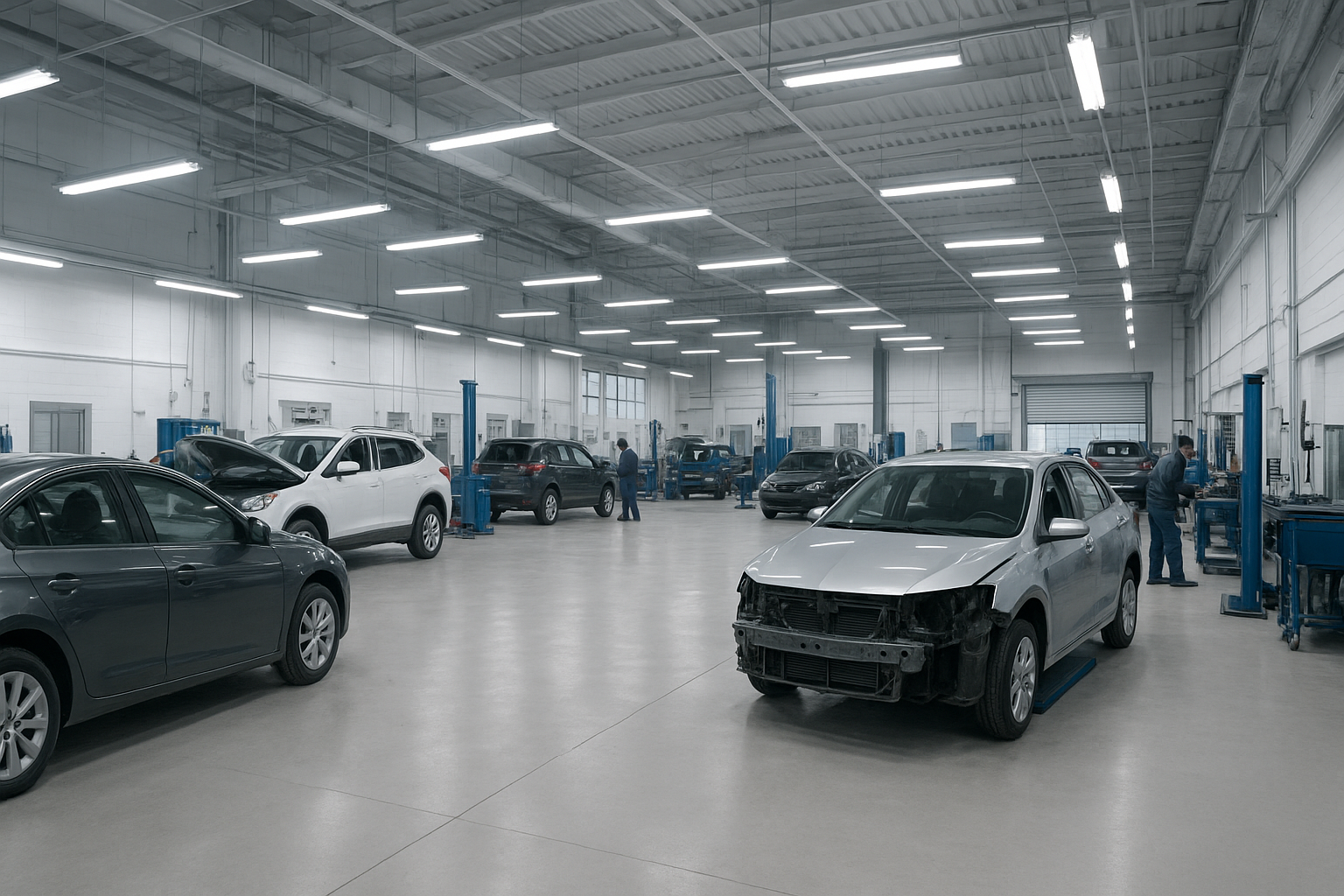
A well-organized bodyshop automotive facility handles multiple repairs simultaneously with precision and efficiency.
Frequently Asked Questions About Bodyshop Automotive
What is a bodyshop automotive service?
A bodyshop automotive service repairs the exterior structure and finish of a vehicle after collision damage, rust, or cosmetic wear. Services typically include dent removal, panel replacement, painting, and frame straightening.
How long does auto body repair usually take?
Repair time depends on the extent of damage. Minor dent repairs may take one to two days, while major collision repairs involving structural work can take one to three weeks.
Does insurance cover bodyshop automotive repairs?
In most cases, yes. Comprehensive and collision insurance policies typically cover auto body repairs after an accident. You may be responsible for your deductible amount.
How do I choose the right auto body shop?
Look for certified technicians, positive customer reviews, and a shop that offers written estimates. Certifications like I-CAR Gold Class indicate a high standard of training and repair quality.
What is paintless dent repair and when is it used?
Paintless dent repair (PDR) is a technique that removes small dents without disturbing the factory paint finish. It works best on shallow dents where the paint has not cracked or chipped.
How is automotive paint matched after a repair?
Technicians use the vehicle’s paint code, found on a sticker inside the door jamb, to mix an exact color match. Advanced spectrophotometers can also scan the existing paint to achieve a precise blend.
What is frame straightening in auto body repair?
Frame straightening uses hydraulic equipment to restore a vehicle’s structural frame to factory specifications after a severe collision. This process is critical for safety and proper wheel alignment.
Can rust damage be repaired at an automotive body shop?
Yes. Body shops can treat surface rust with sanding and primer, or replace heavily rusted panels entirely. Early treatment prevents rust from spreading to structural components.
How much does bodyshop automotive repair typically cost?
Costs vary widely. Minor scratch or dent repairs may run $150 to $500, while major collision repairs involving multiple panels and structural work can exceed $5,000 or more depending on the vehicle.
What should I bring when getting an auto body estimate?
Bring your vehicle, insurance information, and any photos of the damage you have taken. A reputable shop will inspect the vehicle in person and provide a detailed written estimate at no charge.
Is OEM or aftermarket parts better for collision repair?
OEM (Original Equipment Manufacturer) parts are made by the vehicle’s manufacturer and guarantee a precise fit. Aftermarket parts can be less expensive but quality varies; always ask your shop which parts they plan to use.
What certifications should a quality auto body shop have?
Look for I-CAR Gold Class certification, ASE-certified technicians, and manufacturer-specific certifications. These credentials confirm that technicians follow current repair standards and use proper equipment.
Conclusion
Understanding bodyshop automotive services empowers you to make confident decisions after a collision or when dealing with cosmetic damage. From selecting a certified shop and getting written estimates to understanding paint matching and parts choices, every step matters. In summary, the key takeaways are: always verify certifications, insist on written documentation, inspect the work before paying, and never delay repairs that expose your vehicle to further damage. By approaching the process with the right knowledge, you protect both your safety and your vehicle’s long-term value.

