

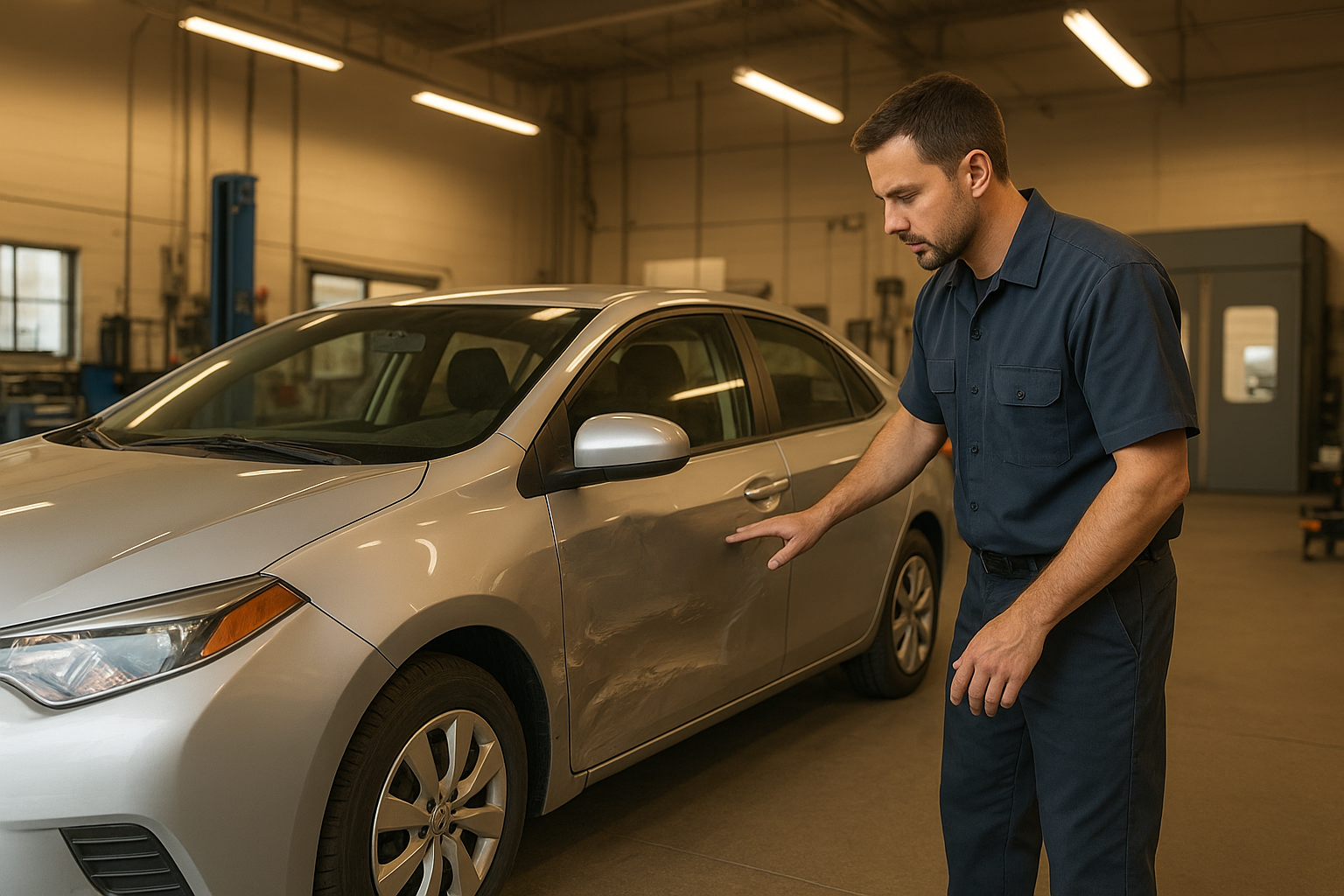
Finding a reliable body shop in California is one of the most important decisions you can make after a vehicle collision or cosmetic damage. California has thousands of auto body repair facilities, but quality, pricing, and customer service vary enormously from shop to shop. Therefore, knowing what to look for — and what to avoid — can save you hundreds of dollars and weeks of frustration.
In this guide, you will discover how to evaluate shops, understand your legal rights as a California vehicle owner, and get the best possible repair outcome. Whether you are dealing with a minor fender bender or significant collision damage, this resource covers every step of the process.
What Is a Body Shop in California?
A body shop in California is a licensed automotive repair facility that specializes in restoring vehicle exteriors and structural components. These shops repair damage caused by collisions, weather, vandalism, and everyday wear. Services typically include dent removal, panel replacement, paint matching, frame straightening, and full collision restoration.
According to the California Bureau of Automotive Repair (BAR), all auto body repair shops operating in the state must hold a valid Automotive Repair Dealer (ARD) license. This licensing system protects consumers and ensures shops meet minimum standards for safety and professionalism.
Furthermore, California law requires shops to provide written estimates before starting work. This rule prevents unexpected charges and gives vehicle owners full transparency over repair costs.
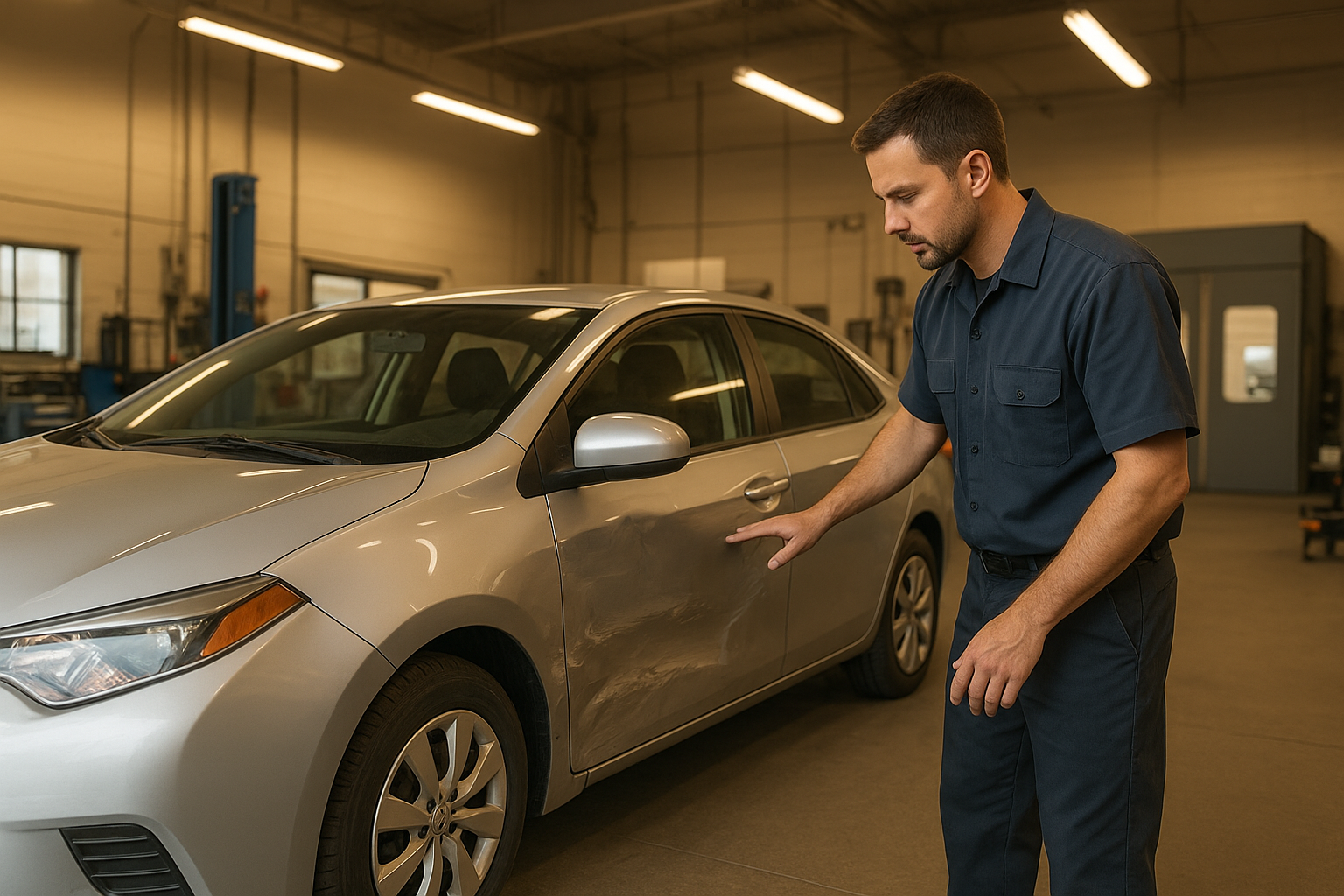
A certified body shop in California uses trained technicians and modern equipment to restore vehicles accurately.
Why Choosing the Right Auto Body Repair Shop Matters
Not all collision repair shops deliver the same results. In fact, poor-quality repairs can affect your vehicle’s safety, resale value, and structural integrity. Specifically, improper frame repairs can compromise crumple zones — the engineered areas designed to absorb crash energy — putting occupants at risk in future accidents.
Additionally, a substandard paint job can fade, peel, or bubble within months, costing you more money in the long run. Therefore, investing time upfront to select the right shop pays off significantly over time.
According to industry data, the average auto body repair claim in the United States exceeds $3,400, making it a substantial financial transaction. Consequently, treating this decision with the same care as any major purchase is entirely justified.
How to Choose a Body Shop in California: Step-by-Step
Following a clear process helps you avoid common mistakes and find a shop you can trust. Here are five essential steps:
- Verify the shop’s BAR license. Visit bar.ca.gov and search for the shop by name or license number. Any shop without an active license should be avoided immediately.
- Read customer reviews and check ratings. Search Google, Yelp, and the Better Business Bureau for verified reviews. Look specifically for feedback about communication, repair quality, and whether the shop met promised timelines.
- Request a written repair estimate. California law requires shops to provide a written estimate before starting work. Any shop that refuses to provide one is a serious red flag.
- Confirm insurance acceptance and your rights. In California, you have the legal right to choose any licensed shop, regardless of your insurer’s preferred vendor list. Confirm the shop works with your insurance provider directly.
- Ask about warranties and parts quality. Reputable shops offer lifetime warranties on paint and bodywork. Ask whether they use OEM (Original Equipment Manufacturer) parts or aftermarket alternatives, and get all warranty terms in writing.
Following these steps consistently will help you filter out low-quality shops and identify professionals who stand behind their work.
Understanding OEM vs. Aftermarket Parts
OEM parts are manufactured by your vehicle’s original maker and are designed to fit and perform exactly like the original components. Aftermarket parts, in contrast, are produced by third-party manufacturers and may vary in quality and fit. While aftermarket parts can reduce repair costs, they do not always meet the same safety or durability standards.
For safety-critical components — such as bumpers, hoods, or door panels — OEM parts are generally the better choice. However, for cosmetic items like trim pieces, high-quality aftermarket parts can be a cost-effective option.
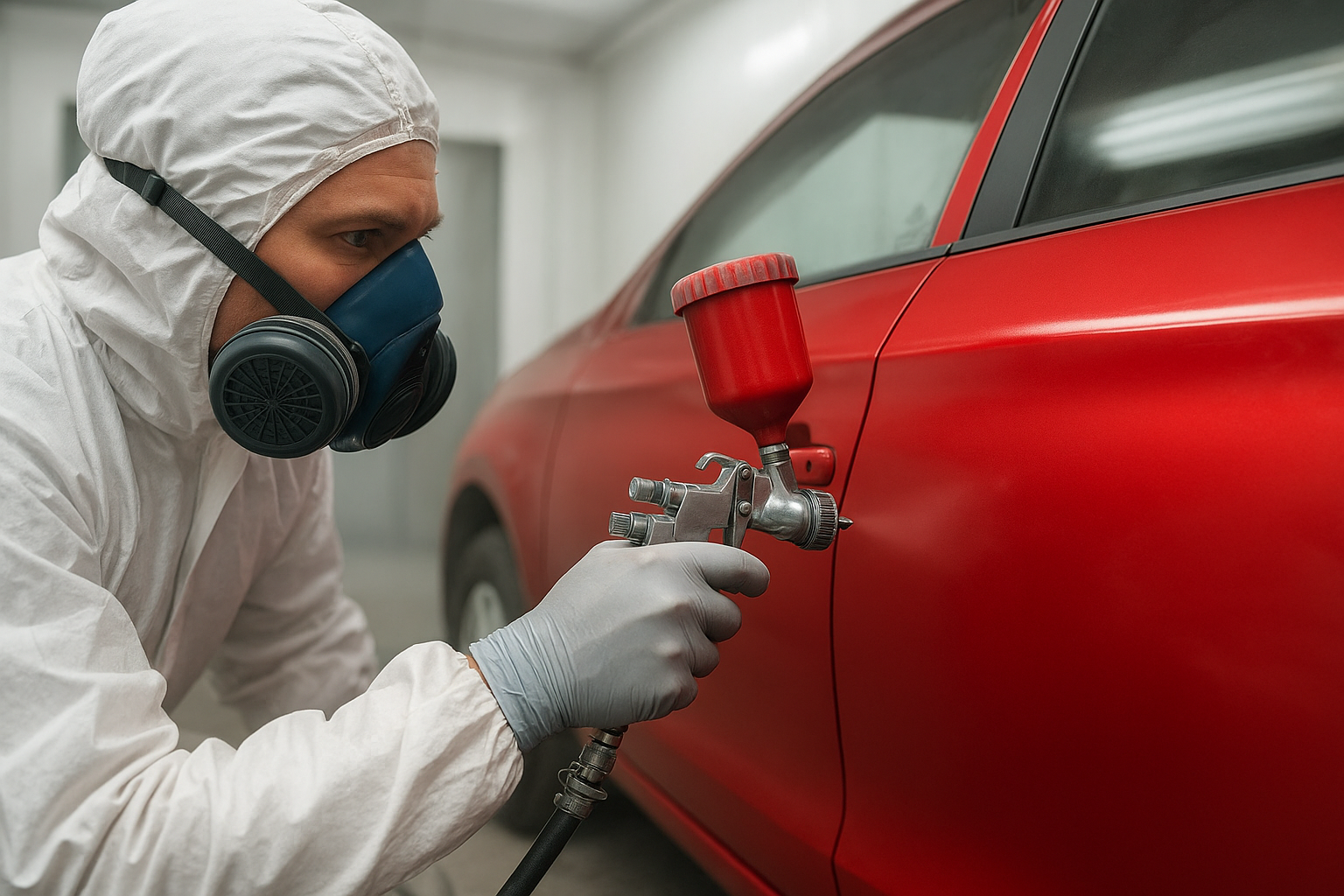
Color-matched painting is a hallmark of quality auto body repair at a professional California shop.
Your Consumer Rights at a California Auto Body Shop
California offers some of the strongest consumer protections for vehicle repair in the nation. Specifically, the California Automotive Repair Act gives you clear rights that every shop must honor.
Key rights include: the right to a written estimate, the right to authorize or decline any repair, the right to receive all replaced parts, and the right to choose your own licensed repair shop. Furthermore, shops cannot charge more than the written estimate without your prior authorization.
If a shop violates these rights, you can file a complaint directly with the Bureau of Automotive Repair. The BAR investigates complaints and can revoke licenses for serious violations.
Working With Your Insurance Company
Many insurers maintain a list of “preferred” or “direct repair” shops. While these shops can be convenient, you are never legally required to use them. California law explicitly protects your right to choose any licensed facility.
If your insurer pressures you to use a specific shop, politely remind them of your rights under California law. A trusted resource like Brea Auto Body can also help guide you through the insurance claims process, making it less stressful from start to finish.
What to Expect During the Repair Process
Once you select a shop and authorize repairs, the process generally follows a predictable sequence. Understanding each phase helps you set realistic expectations and ask the right questions.
First, the shop performs a thorough damage assessment, often using computerized measuring systems for structural damage. Next, they order the required parts and begin disassembly. Structural repairs, if needed, come before any cosmetic work. Afterward, the vehicle moves to the paint booth for priming, base coat, and clear coat application.
Finally, the shop reassembles the vehicle, performs a quality inspection, and details the exterior. Most reputable shops also conduct a final road test before returning the vehicle to you.
Typical Repair Timelines in California
Minor dent and scratch repairs typically take one to three business days. Moderate collision damage — such as a damaged bumper, hood, or quarter panel — generally requires five to ten business days. Major structural repairs can extend to two to four weeks, particularly when specialty parts must be ordered.
Parts availability has become a significant factor in recent years. Supply chain disruptions have extended wait times for certain OEM components, so ask your shop for a realistic timeline upfront. A trustworthy shop will give you an honest estimate rather than an optimistic one designed to win your business.
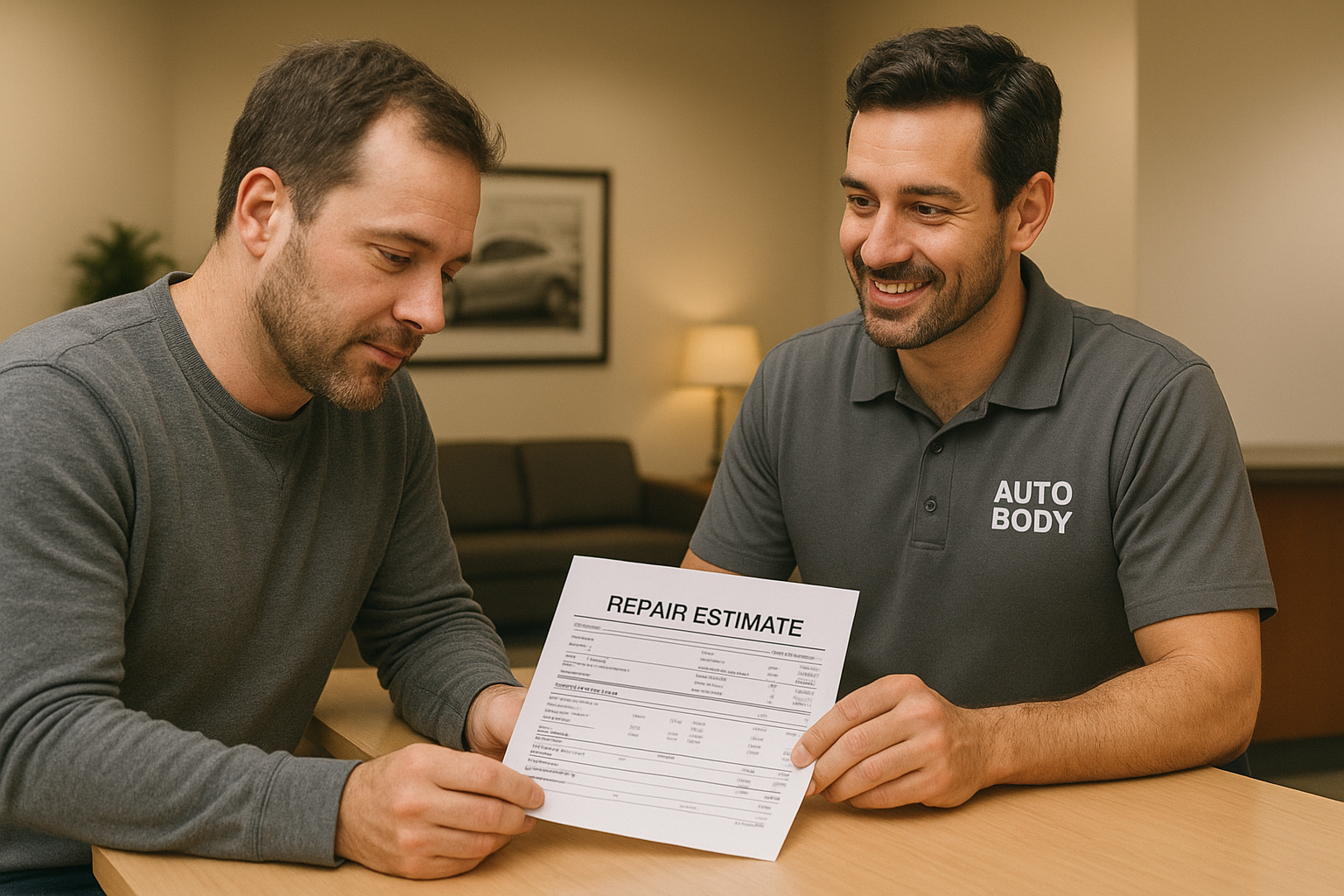
Reviewing a written estimate is a required and important step when working with any California body shop.
Red Flags to Watch Out For
Not every shop operates with integrity. Fortunately, there are clear warning signs that can help you avoid a bad experience before it starts.
- No written estimate offered. This is both illegal and a major red flag in California.
- Unusually low quotes. Extremely cheap estimates often signal the use of low-quality parts or shortcuts in labor.
- Pressure to decide immediately. Reputable shops give you time to review estimates and make informed decisions.
- No visible license or certifications. Shops should display their BAR license and any manufacturer certifications prominently.
- Poor communication. If a shop is hard to reach or vague about timelines, that pattern typically continues throughout the repair.
Additionally, trust your instincts. If a shop feels disorganized or the staff seems dismissive of your questions, consider that a signal to look elsewhere.
Finding a Trusted Local Shop Near You
California’s size means the quality of available shops varies by region. However, several strategies can help you find a reliable local option quickly. Start with referrals from friends, family, or coworkers who have had positive repair experiences. Personal recommendations remain one of the most reliable indicators of shop quality.
For drivers in Southern California, Brea Auto Body is a well-regarded option that combines certified technicians with transparent customer service. Similarly, searching for I-CAR Gold Class certified shops in your area ensures you find facilities where technicians receive ongoing professional training.
You can also explore our guide on collision repair tips for California drivers to learn more about protecting your vehicle after an accident.
Frequently Asked Questions About Body Shop California
What is a body shop in California?
A body shop in California is a licensed automotive repair facility specializing in restoring vehicle exteriors damaged by collisions, weather, or daily wear. These shops use paint, bodywork, and structural repair techniques to return vehicles to their pre-accident condition.
How do I choose the best body shop in California?
Verify the shop’s Bureau of Automotive Repair license, read customer reviews, confirm insurance acceptance, and ask about warranties. OEM certification from vehicle manufacturers is also a strong quality indicator.
How much does auto body repair cost in California?
Costs range from roughly $150 for minor dent repairs to over $5,000 for major collision damage. The final price depends on damage extent, vehicle type, and local labor rates. Always get a written estimate first.
Do California body shops need to be licensed?
Yes, all auto body repair shops in California must hold an active Automotive Repair Dealer license issued by the Bureau of Automotive Repair. You can verify any shop’s license on the BAR website before authorizing repairs.
How long does auto body repair take at a California shop?
Minor repairs take one to three days, while major collision work can take one to three weeks. Parts availability and insurance approvals can extend timelines, so ask your shop for an honest estimate upfront.
Will my insurance cover repairs at any body shop in California?
Yes. California law gives you the right to choose any licensed body shop for your repairs, regardless of your insurer’s preferred list. Your insurer must cover reasonable repair costs at your chosen facility.
What is OEM certification and why does it matter?
OEM (Original Equipment Manufacturer) certification means the shop is trained and approved to use original factory parts and repair procedures for specific vehicle brands. This ensures repairs meet the manufacturer’s safety and quality standards, which is especially important for newer vehicles.
What should I bring when dropping off my car at a body shop?
Bring your insurance claim number, a photo ID, vehicle registration, and any accident documentation. Photos of the damage taken right after the incident are also very helpful for the repair assessment.
Can a body shop in California handle both paint and structural repairs?
Yes, most full-service California shops handle both cosmetic paint work and structural frame repairs. Always confirm the shop has the right equipment, such as a computerized frame straightening machine, for structural damage.
What is a written repair estimate and do I need one?
A written estimate details all labor and parts costs before work begins. California law requires shops to provide one before starting any repairs, protecting you from unexpected charges. Never authorize work without a written estimate in hand.
How do I know if a body shop uses quality parts?
Ask directly whether the shop uses OEM, aftermarket, or recycled parts. A reputable shop will explain your options clearly. For safety-critical components, OEM parts are generally the best choice for fit and durability.
What warranties should a California body shop offer?
Reputable California body shops typically offer a lifetime warranty on paint and bodywork for as long as you own the vehicle. Always get warranty terms in writing before approving any repairs to ensure you are fully protected.
Conclusion: Making the Right Choice for Auto Body Repair
Choosing the right body shop in California does not have to be overwhelming. By verifying licenses, reading reviews, demanding written estimates, and understanding your consumer rights, you can confidently select a shop that delivers safe, high-quality repairs. Furthermore, working with a certified, experienced shop like Brea Auto Body ensures your vehicle is restored to its original condition — and that your investment is protected by a meaningful warranty. Above all, take your time, ask the right questions, and never settle for a shop that cannot clearly demonstrate its qualifications.

