

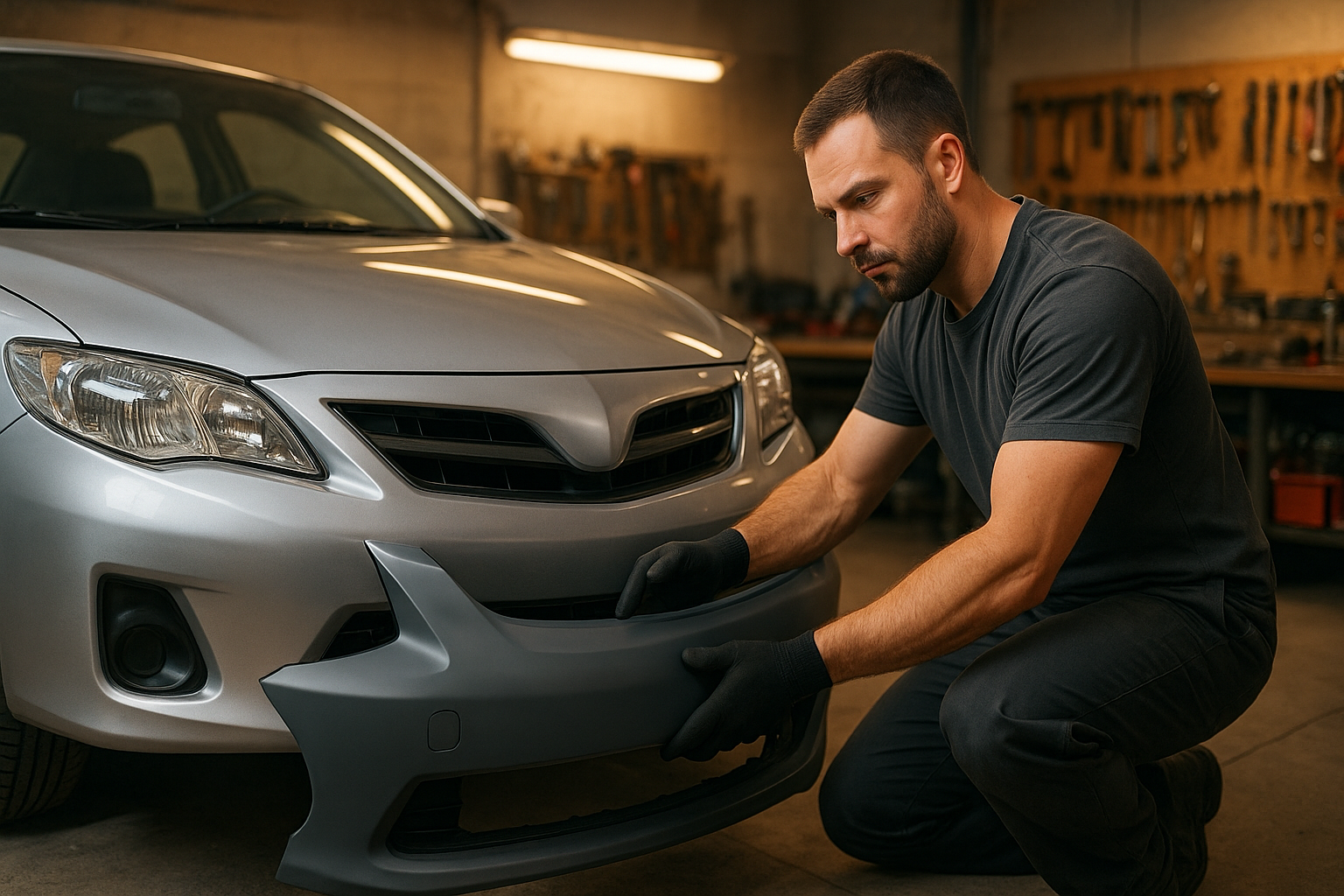
Auto Body Repair Guide — By Brea Auto Body. Last updated: 2026-07-22
Everything you need to make a confident, cost-smart decision about your next vehicle repair. This guide is provided by the Brea Auto Body team; see the author bio for technician credentials and certifications. choose a body shop
When your vehicle sustains damage, one of the first decisions you’ll face is whether to use original manufacturer components or pursue aftermarket parts repair — a process that involves restoring or replacing damaged vehicle components using parts manufactured by third-party companies rather than the original vehicle manufacturer. Aftermarket parts are engineered to match the fit, form, and function of the originals, but they often come with a significantly lower price tag. Understanding how this process works, where it excels, and where caution is warranted can save you hundreds of dollars and help you make the smartest choice for your car. Learn how to find the best local body shop.
What Is Aftermarket Parts Repair?
Direct Answer: Aftermarket parts repair is the practice of fixing or replacing vehicle components — such as bumpers, hoods, fenders, lights, and mirrors — using parts made by independent manufacturers rather than the vehicle’s original brand. These parts are widely available, often less expensive than OEM equivalents, and can deliver excellent results when sourced from quality suppliers and installed by skilled technicians. See our best repair practices for choosing suppliers and verifying fitment.
The term aftermarket refers to the secondary market for vehicle components, accessories, and equipment. According to Wikipedia’s overview of original equipment manufacturers (OEM), OEM parts are made by the same company that produced the original components in the vehicle. Aftermarket parts, by contrast, are produced by independent companies who design their products to be compatible with one or more vehicle makes and models.
For many drivers, especially those with older vehicles or those paying out of pocket, aftermarket parts repair is not just a viable option — it’s the practical one. The key is knowing how to evaluate quality and choose the right repair partner.
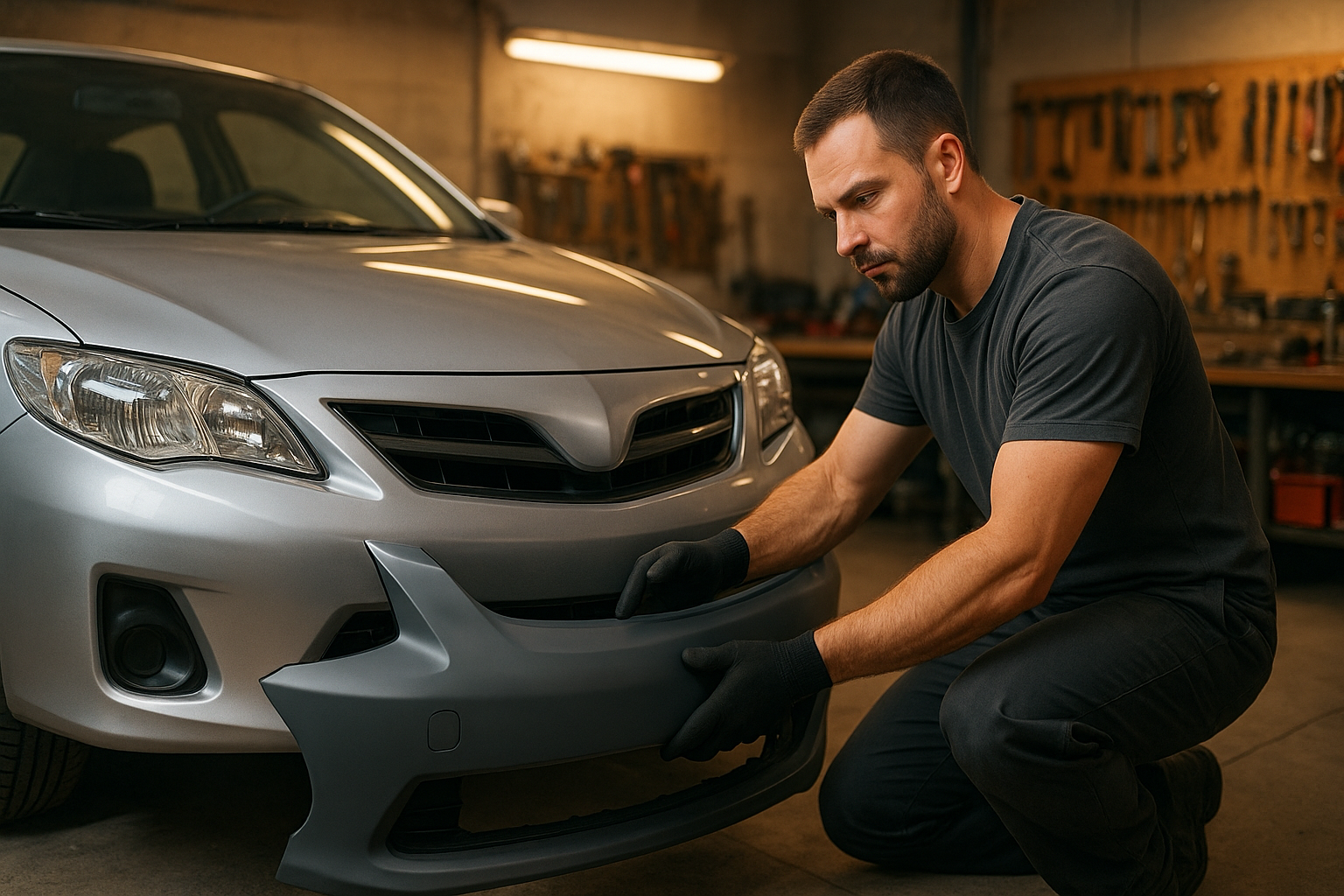
Aftermarket parts repair requires skilled installation to ensure proper fit, finish, and long-term durability.
OEM vs. Aftermarket: Understanding the Core Difference
Before committing to any repair strategy, it helps to understand exactly what separates OEM parts from aftermarket alternatives. Here’s a clear breakdown:
OEM Parts
- Made by the original vehicle manufacturer
- Guaranteed precise fit for your specific model
- Typically higher cost
- Often required for newer vehicles under warranty
- May be preferred by insurance companies
Aftermarket Parts
- Made by independent third-party manufacturers
- 20%–60% less expensive than OEM equivalents
- Wide availability across multiple vehicle models
- Quality varies significantly by brand
- Best choice for older or high-mileage vehicles
When Does Aftermarket Parts Repair Make the Most Sense?
Aftermarket parts repair is not a one-size-fits-all solution, but there are specific scenarios where it offers clear advantages:
- Older vehicles: When a car is several years old and its market value is lower than the cost of OEM repairs, aftermarket parts make economic sense.
- Cosmetic or body panel repairs: Bumper repair, fenders, hoods, and mirrors are among the most common candidates for aftermarket replacement because precise mechanical tolerances are less critical.
- Out-of-pocket repairs: If you’re not filing an insurance claim, aftermarket parts can dramatically reduce your total bill.
- High-demand parts with established aftermarket suppliers: Popular vehicle models often have well-developed aftermarket ecosystems with certified, high-quality parts readily available.
- Brake system repairs: Quality aftermarket brake components are widely trusted. Learn more about professional brake repair services and how certified shops handle these repairs with precision.
How to Approach an Aftermarket Parts Repair: Step-by-Step
Following a structured approach ensures you get the best possible outcome from your repair.
Assess the Damage Thoroughly
Have a certified technician inspect the vehicle to determine which components need replacement and whether aftermarket options are appropriate for each damaged area.
Research Aftermarket Part Quality
Look for CAPA-certified (Certified Automotive Parts Association) or NSF-certified aftermarket parts. These certifications indicate the parts have been tested to meet safety and quality benchmarks comparable to OEM standards.
Get a Detailed, Itemized Estimate
Request a written estimate that lists every aftermarket part by name, supplier, and cost, alongside labor charges. Transparency at this stage protects you from surprises and allows for informed comparison.
Verify Your Insurance Coverage
Contact your insurer to confirm whether they cover aftermarket parts repair and whether you have the right to request OEM parts. Policies vary widely, and knowing your rights prevents costly misunderstandings.
Approve and Inspect the Finished Repair
Once work is complete, thoroughly inspect panel gaps, paint match, and component fitment before driving away. A reputable shop will stand behind their work and address any fitting issues.
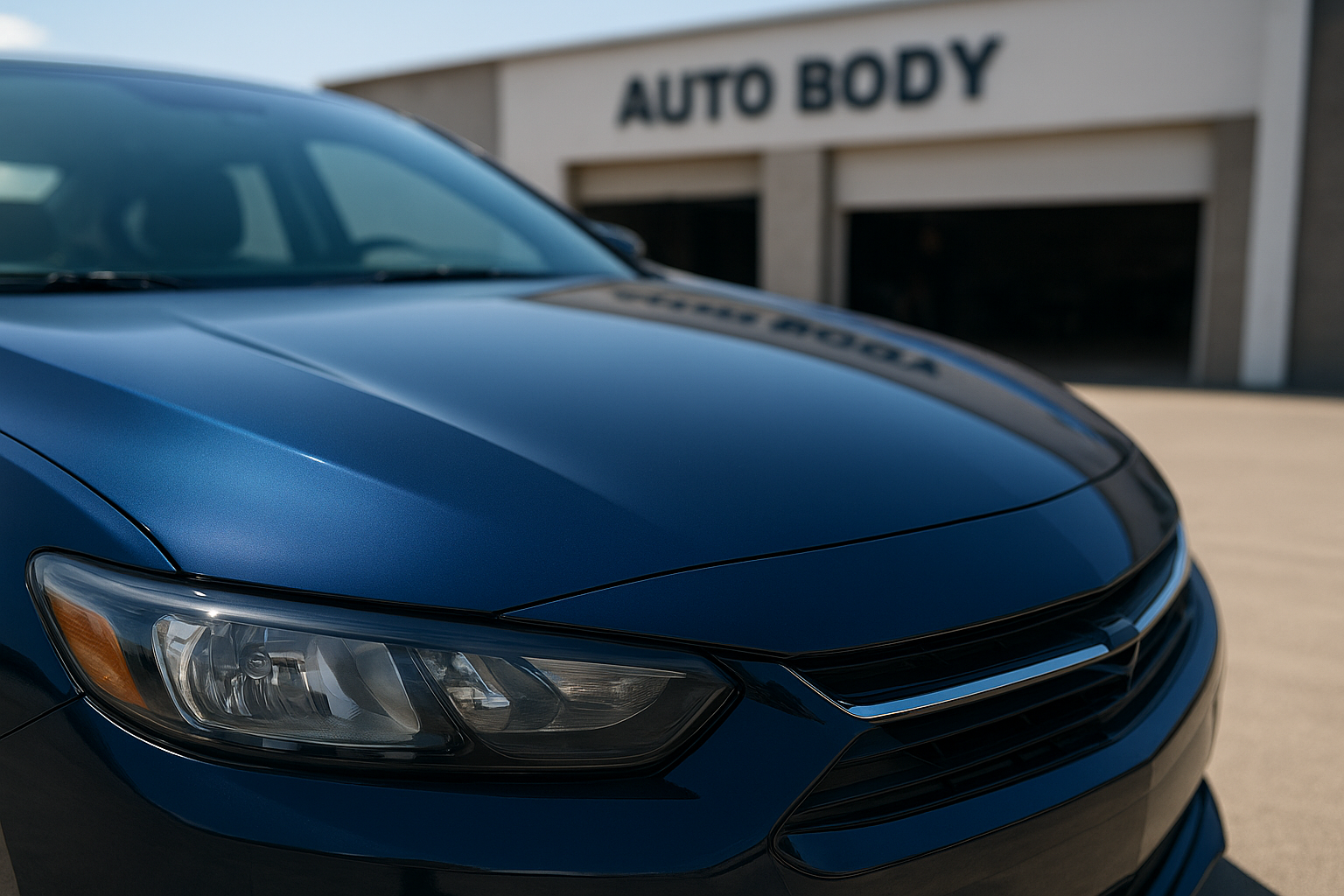
A properly completed repair using quality aftermarket parts should be virtually indistinguishable from the original factory finish.
Quality Tiers: Not All Aftermarket Parts Are Equal
One of the most important things to understand about aftermarket parts repair is that quality exists on a spectrum. The aftermarket industry ranges from premium-grade suppliers who engineer parts to exceed OEM tolerances, all the way down to budget importers whose products may fit poorly and fail prematurely.
Quality Tiers at a Glance
Premium Aftermarket: CAPA or NSF certified, engineered to OEM specifications, backed by manufacturer warranties. Ideal for safety-critical and structural components. Learn more about auto body and frame repair best practices and structural inspection.
Mid-Grade Aftermarket: Solid quality for cosmetic repairs, good fit for most common vehicles, often used by insurance-approved shops.
Budget Aftermarket: Lower cost but higher risk of fitment issues, paint adhesion problems, and reduced longevity. Best avoided for structural or safety components.
Does Aftermarket Parts Repair Affect Your Warranty?
This is one of the most frequently asked questions by vehicle owners. The short answer: it depends. Under the Magnuson-Moss Warranty Act, a vehicle manufacturer cannot void your warranty simply because you used aftermarket parts — unless they can demonstrate that the aftermarket part directly caused the problem requiring warranty service. This federal consumer protection law gives you meaningful flexibility when choosing repair options.
That said, for newer vehicles still under manufacturer warranty, it’s worth consulting your dealership before proceeding with aftermarket parts repair on mechanical or powertrain components. For body panels, lights, and other exterior elements, aftermarket repairs rarely create warranty complications.
Frequently Asked Questions
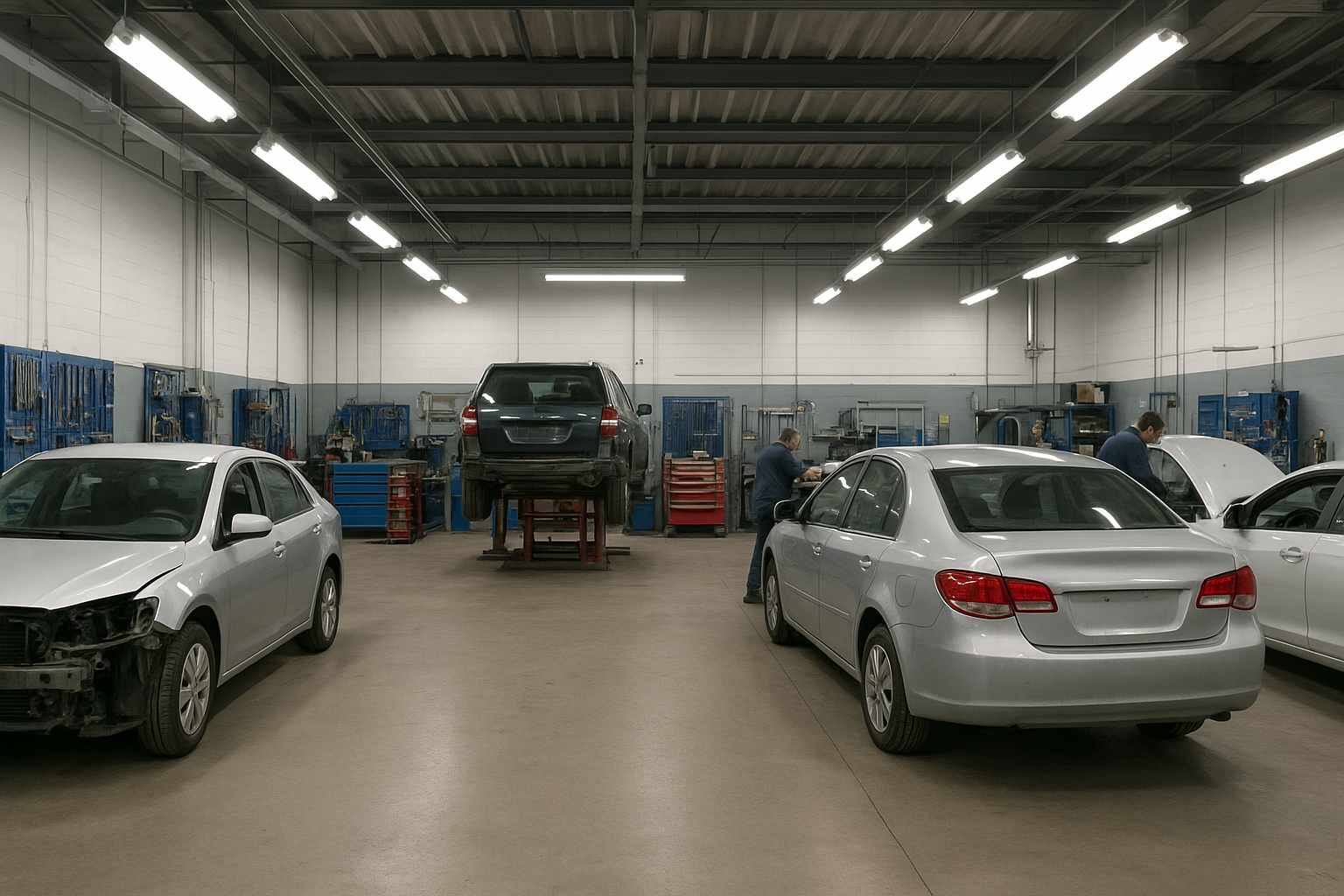
A well-equipped body shop with experienced technicians is essential for successful aftermarket parts repair outcomes.
Choosing the Right Shop for Aftermarket Repairs
The success of any aftermarket parts repair depends as much on the technician performing the work as on the parts themselves. family-owned body shop Here’s what to look for when selecting a repair shop:
- I-CAR or ASE certification: These industry credentials confirm that technicians have completed rigorous training in collision and mechanical repair.
- Transparent part sourcing: A trustworthy shop will disclose exactly which aftermarket parts they plan to use and provide documentation of the supplier.
- Written warranty on repairs: Look for shops that offer a warranty on both parts and labor, not just the components themselves.
- Insurance relationships: Shops that work directly with insurers often have established quality standards and preferred supplier lists.
- Customer reviews and portfolio: Review completed work samples before committing. You can explore examples of professional automatic repair services to understand the standard of craftsmanship to expect from a reputable shop.
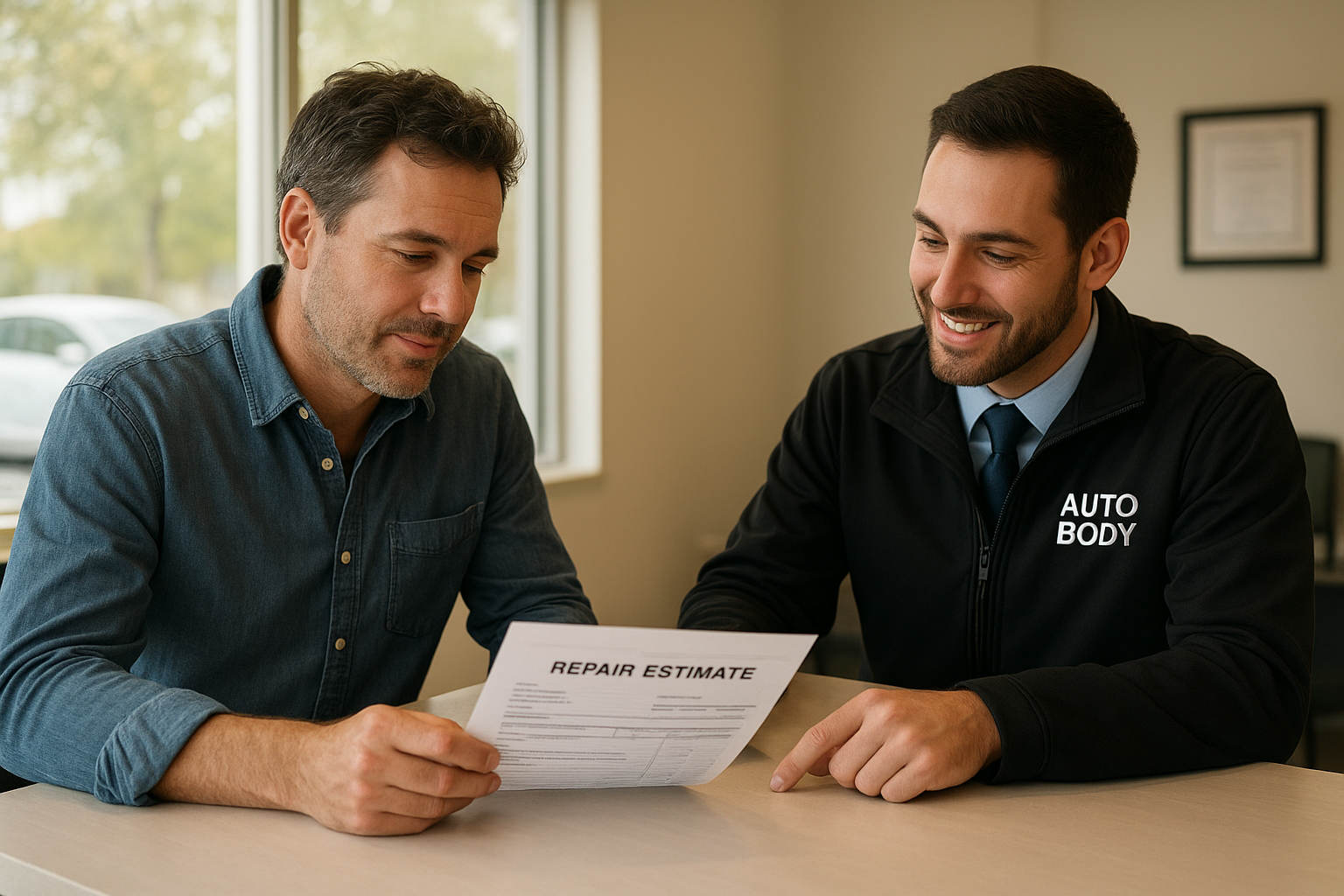
Reviewing a detailed online quote is a critical step in any aftermarket parts repair process.
Final Thoughts: Making Aftermarket Parts Repair Work for You
Aftermarket parts repair is a smart, financially sound strategy for the vast majority of vehicle owners — provided you approach it with the right information and the right repair partner. By understanding quality tiers, verifying certifications, and working with a transparent and skilled auto body shop, you can achieve results that are functionally and visually equivalent to OEM repairs at a fraction of the cost.
Whether you’re dealing with collision damage, worn body panels, or components that simply need replacing, the aftermarket parts repair process gives you control over your budget without forcing you to sacrifice quality. The key is always choosing certified parts, demanding transparency from your shop, and inspecting the finished work carefully before you drive away.
Ready to Get Your Vehicle Repaired?
The team at Brea Auto Body specializes in high-quality collision and body repairs using certified aftermarket and OEM parts — helping you get back on the road with confidence (learn about certified collision repair).

