

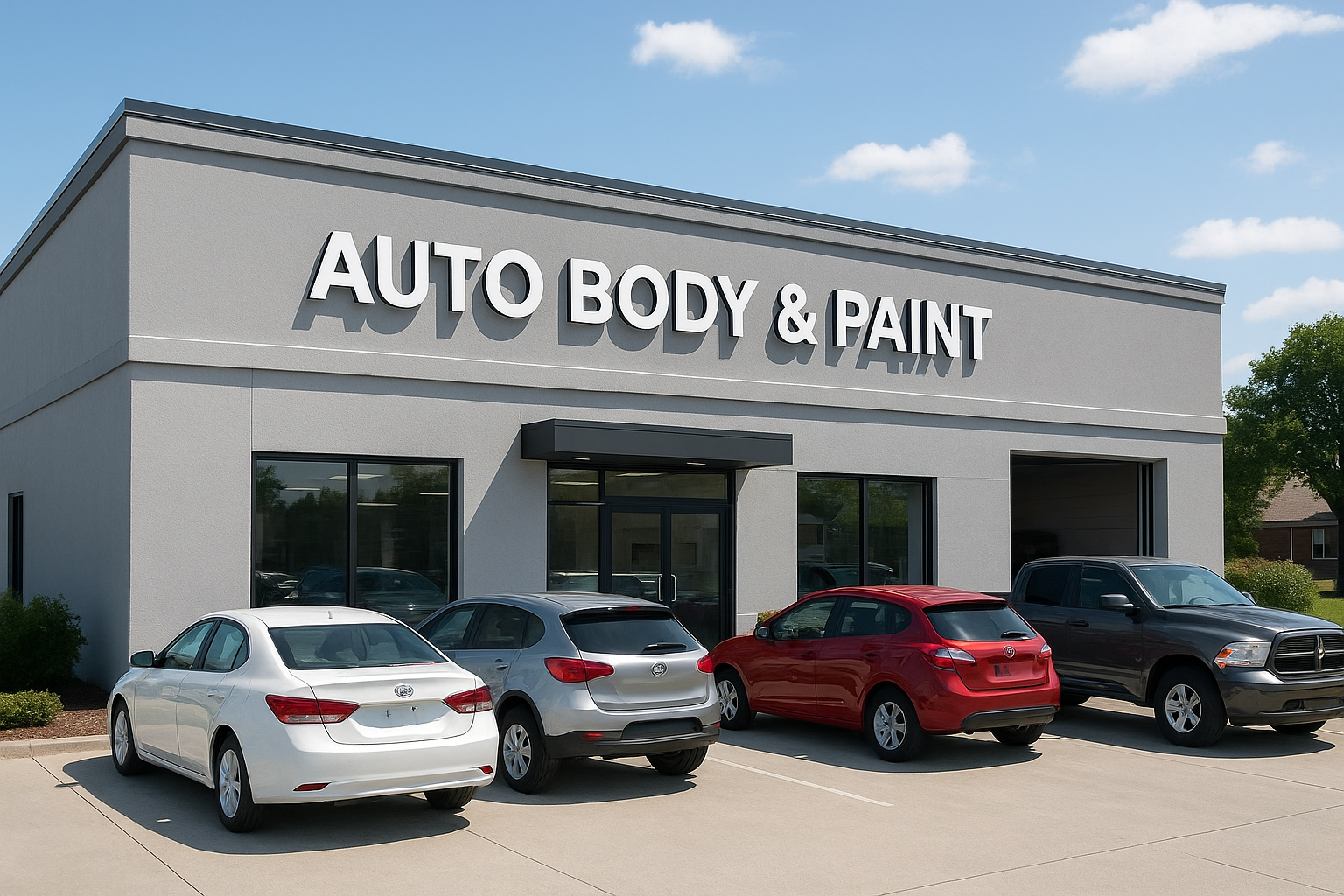
Searching for a body & paint shop near me is one of the most important decisions you can make after your vehicle sustains damage, and choosing the wrong shop can cost you time, money, and peace of mind. Therefore, knowing exactly what to look for — from certifications to paint-matching technology — puts you firmly in control of the repair process.
Whether you’ve been in a fender-bender, discovered a deep scratch, or simply want to refresh your car’s appearance, a quality local shop makes all the difference. In this guide, you’ll find everything you need to evaluate, compare, and confidently select the right shop for your vehicle.
What Is a Body & Paint Shop and What Services Do They Offer?
A body & paint shop is a specialized automotive facility that repairs structural and cosmetic damage to vehicles, restoring them to their original appearance and safety standards. These shops handle everything from minor scratches to major collision reconstruction.
Common services include:
- Collision repair — structural realignment and panel replacement after accidents
- Dent removal — including paintless dent repair (PDR) for minor dings
- Scratch and paint chip repair — blending new paint seamlessly into the existing finish
- Full and partial repaints — refreshing faded finishes or changing vehicle color
- Bumper repair and replacement — restoring cracked or crushed bumpers
- Rust repair — removing corrosion and preventing further spread
Additionally, many reputable shops offer insurance claim assistance, rental car coordination, and written repair warranties, making the entire process far less stressful for the vehicle owner.
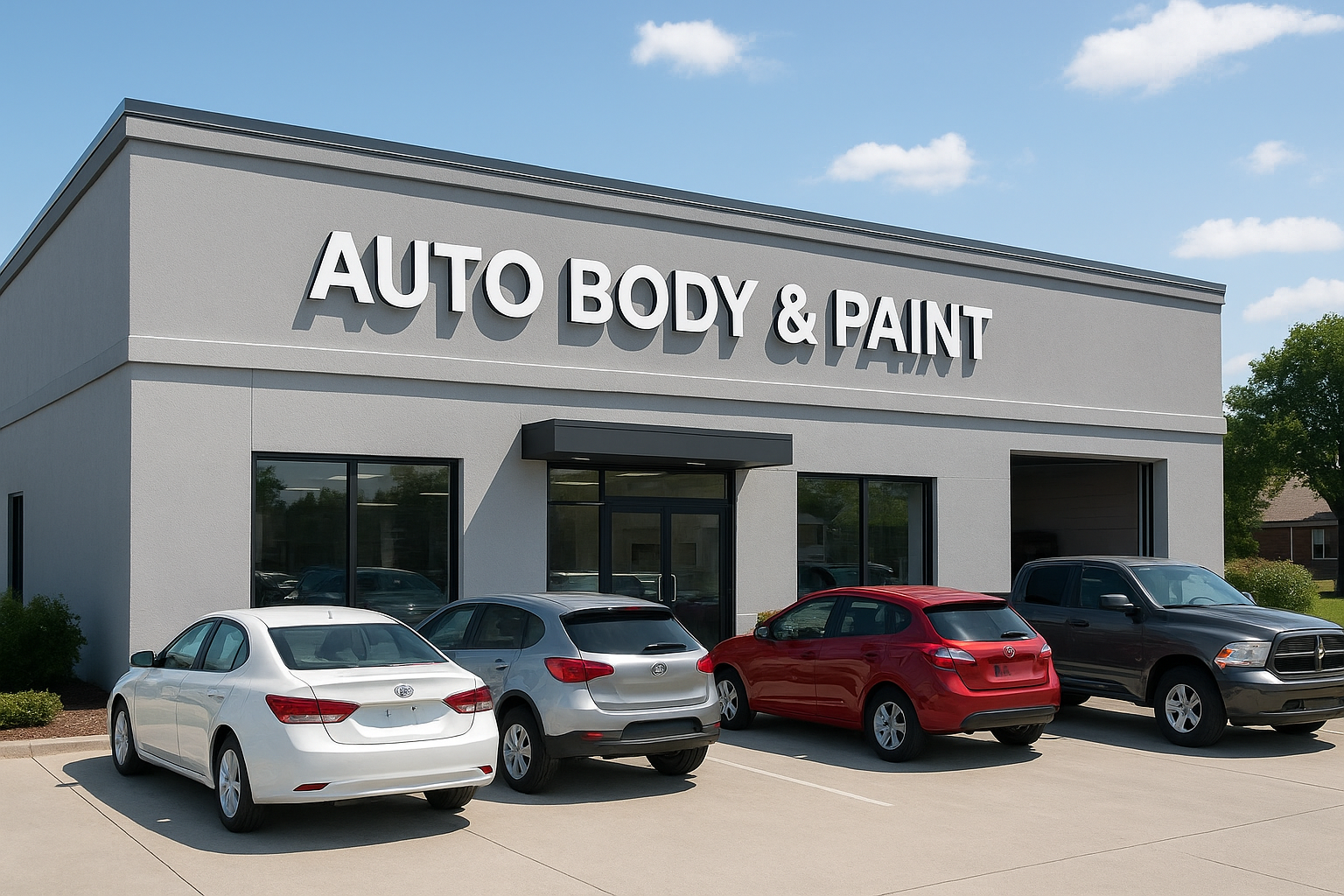
A well-maintained exterior is often the first sign of a trustworthy body & paint shop near you.
How to Evaluate Certifications and Technician Qualifications
Certifications are among the most reliable indicators of shop quality. Because the auto body industry is largely self-regulated, choosing a certified shop protects you from substandard repairs.
The two most important credentials to look for are:
- I-CAR Gold Class — awarded by the Inter-Industry Conference on Auto Collision Repair, this is the industry’s highest training recognition
- ASE Certification — National Institute for Automotive Service Excellence credentials confirm technician competency
Furthermore, some shops hold manufacturer certifications from brands like Honda, Toyota, or Ford. These certifications mean the shop uses OEM-approved repair methods and parts specifically designed for your vehicle model.
When you visit a shop, ask to see their certificates displayed on the wall. A shop that is proud of its credentials will display them prominently. If they can’t produce documentation, however, consider it a red flag.
Reading Reviews and Getting Estimates the Right Way
Online reviews are a powerful tool, but you need to read them strategically. Rather than focusing solely on the star rating, look for patterns in the feedback. For example, consistent mentions of poor paint matching or long delays are more informative than a single one-star complaint.
Platforms worth checking include:
- Google Reviews — high volume and generally reliable
- Yelp — useful for detailed written feedback
- Better Business Bureau (BBB) — shows complaint history and resolution patterns
After narrowing your list to two or three candidates, get written estimates from each. A trustworthy shop will provide a detailed, itemized quote that breaks down labor, parts, and paint materials separately. In contrast, a vague estimate with round numbers should raise concern.
For a strong example of what a transparent, customer-focused local shop looks like, Brea Auto Body demonstrates the kind of detailed service information and clear communication that consumers should expect.
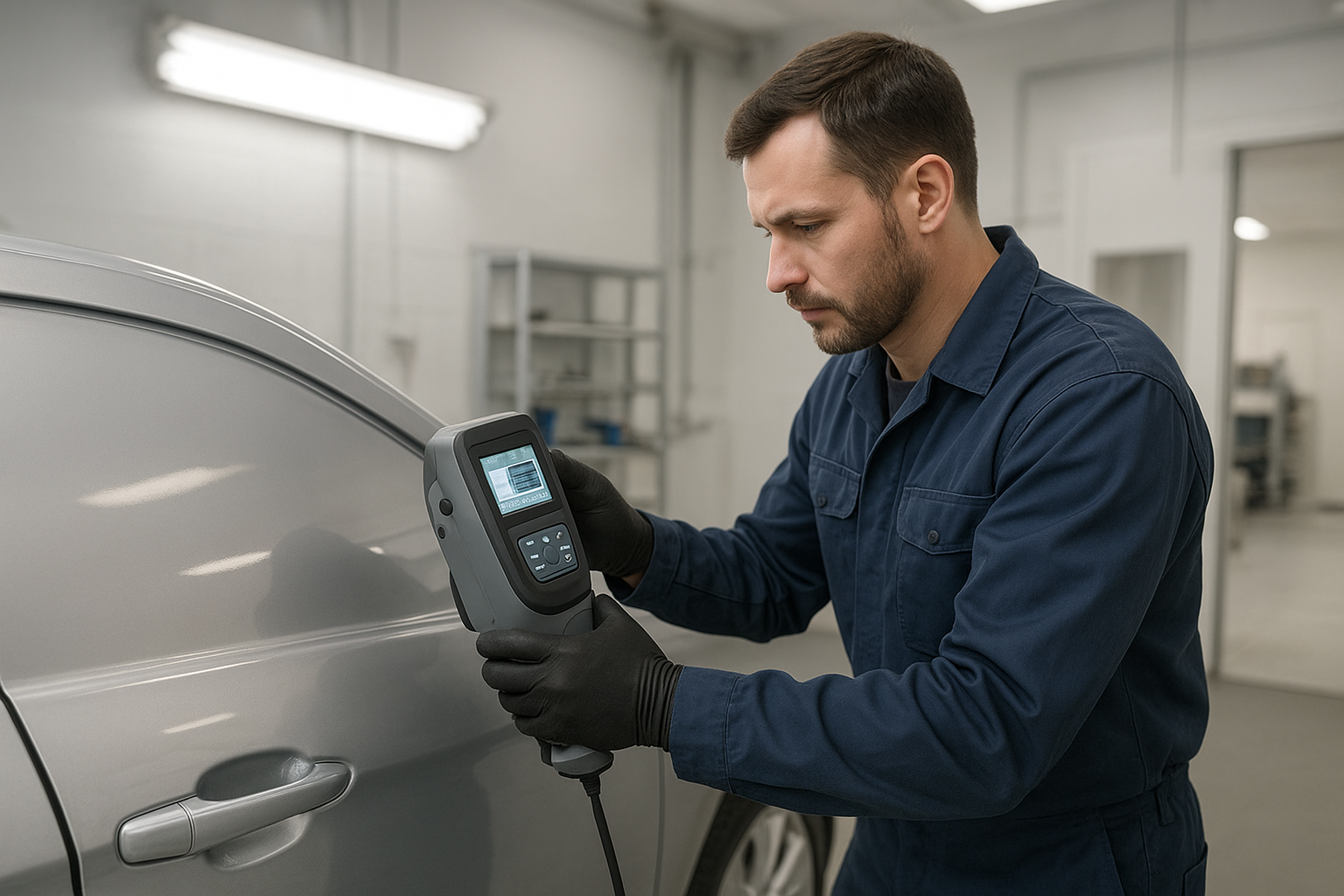
Advanced paint-matching technology ensures your repaired panels blend seamlessly with the rest of your vehicle’s finish.
Understanding Paint Quality and Color Matching
Paint quality is arguably the most visible measure of a shop’s craftsmanship. A skilled shop uses computerized spectrophotometers to analyze your vehicle’s existing paint and mix a precise formula that matches it exactly. As a result, repaired panels should be virtually indistinguishable from the original finish.
There are several paint quality factors to discuss with any shop you’re considering:
- Paint brand — premium brands like PPG, BASF, or Axalta produce more durable and color-accurate results
- Clear coat application — a proper multi-stage clear coat protects the base color and adds gloss
- Blending technique — skilled painters blend new paint into adjacent panels to eliminate visible edges
- Curing process — bake ovens accelerate curing and produce a harder, more durable finish than air-dried paint
Additionally, ask whether the shop offers a paint warranty. Many reputable shops guarantee their paint work for at least one year, and some offer lifetime warranties on color and finish.
Navigating Insurance Claims With Your Local Shop
One of the most stressful aspects of auto body repair is dealing with insurance. However, a good shop can simplify this process significantly by acting as your advocate with the insurer.
Here are the key steps to navigating insurance smoothly:
- File your claim promptly — notify your insurer as soon as possible after the incident to start the process
- Get your shop’s estimate first — bring a written estimate from your chosen shop before accepting the insurer’s initial offer
- Confirm OEM vs. aftermarket parts — your policy may specify which type of parts are covered; OEM parts are always preferable for safety and fit
- Review the supplement process — additional damage discovered during repair may require a supplemental claim; a good shop handles this communication directly
- Inspect before signing off — always do a final walkthrough of the completed repairs before signing the release form
Remember, you have the legal right to choose your own repair shop in most U.S. states, regardless of what your insurance company recommends. Therefore, never feel pressured to use a specific shop simply because your insurer prefers it.
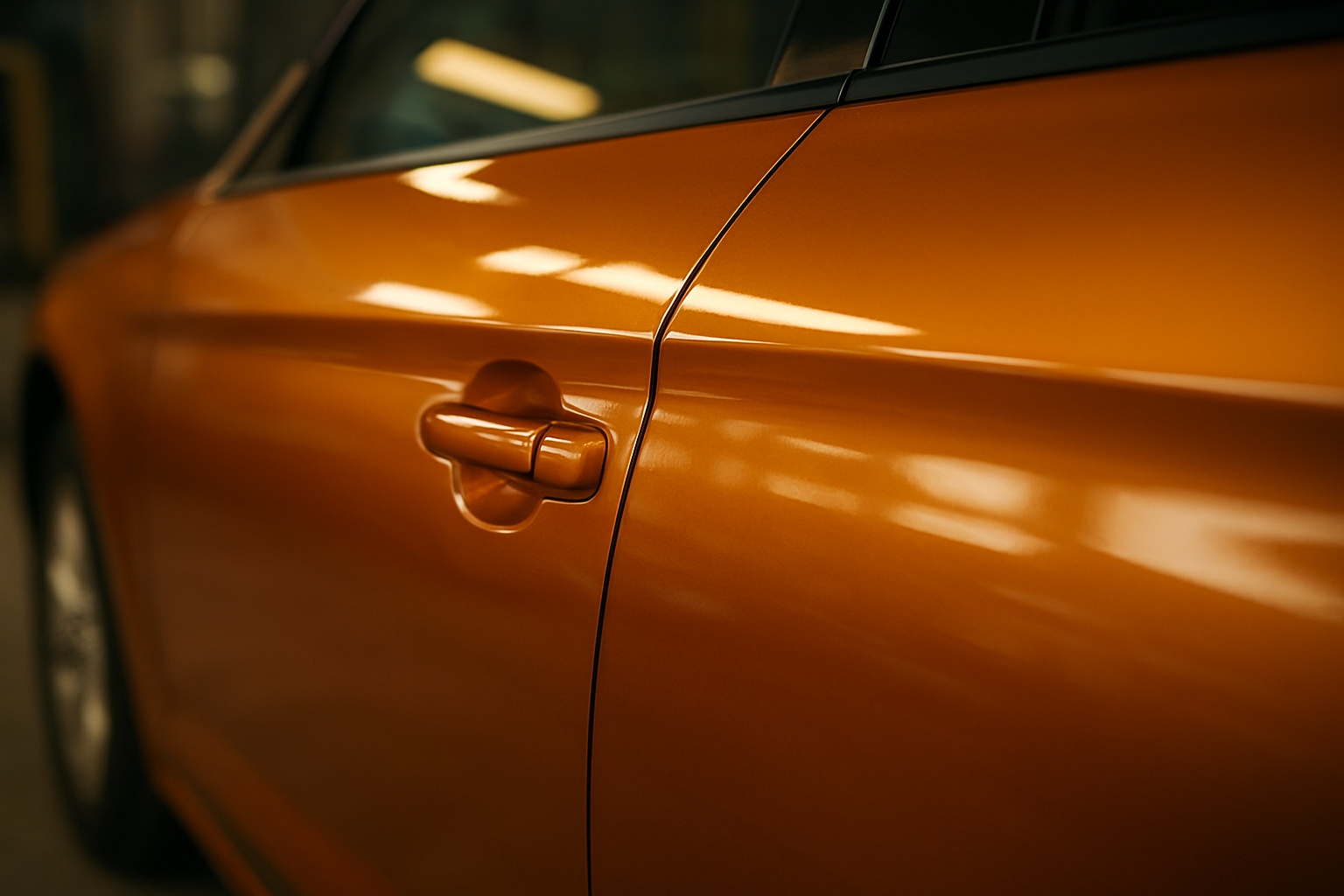
A flawless, glossy finish on a repaired panel is the hallmark of expert auto body craftsmanship.
Common Mistakes to Avoid When Choosing a Repair Shop
Many vehicle owners make avoidable mistakes during the shop selection process. Being aware of these pitfalls in advance will save you from costly regrets.
Choosing solely on price: The lowest estimate is rarely the best value. Shops that undercut competitors often use cheap aftermarket parts, skip proper surface preparation, or rush the paint process. Meanwhile, a slightly higher quote from a certified shop typically reflects better materials and more thorough work.
Skipping the in-person visit: Photos and reviews only tell part of the story. Visiting the shop lets you assess cleanliness, organization, and the professionalism of the staff. A cluttered, disorganized shop is often a sign of equally disorganized repair work.
Not asking about the warranty: Always ask for the warranty terms in writing before authorizing repairs. A shop that hesitates to offer a written warranty may not stand behind its work.
Ignoring turnaround time communication: A reliable shop provides a realistic completion timeline and proactively updates you if delays occur. In contrast, a shop that goes silent for days at a time is a warning sign worth heeding.
What Sets an Exceptional Local Shop Apart
Beyond certifications and reviews, the best local auto body shops share a few distinguishing qualities that elevate them above the competition. First, they invest in modern equipment — including frame straightening machines, computerized measuring systems, and spray booths with bake-oven capabilities.
Second, exceptional shops prioritize transparent communication. They explain what needs to be repaired, why it needs to be repaired, and how long it will take — without using confusing jargon. As a result, customers feel informed and confident rather than overwhelmed.
Third, they treat every vehicle as if it were their own. According to the U.S. Bureau of Labor Statistics, automotive body repairers are skilled tradespeople whose work directly impacts vehicle safety — a responsibility that top shops take seriously.
For a practical example of these qualities in action, Brea Auto Body provides a clear model of how a local shop can combine technical expertise with outstanding customer service.
Quick Answer: The best way to find a reliable body & paint shop near you is to verify I-CAR or ASE certifications, read detailed customer reviews, get at least two written estimates, and visit the shop in person before committing. Shops that are transparent, certified, and warranty their work consistently deliver the best results.
Frequently Asked Questions About Finding a Body & Paint Shop Near Me
What does a body & paint shop near me typically repair?
A body & paint shop near me handles collision damage, dents, scratches, rust repair, bumper replacement, and full or partial repaints. Many shops also perform paintless dent repair and color-matching services to restore your vehicle to its pre-accident condition.
How do I find a reputable auto body shop in my area?
Start by reading Google and Yelp reviews, asking friends for referrals, and verifying that the shop holds I-CAR or ASE certifications. Visiting the shop in person to inspect cleanliness and equipment quality is also strongly recommended.
How long does a typical auto body repair take?
Minor dent and paint repairs usually take one to three days. However, extensive collision damage can take one to three weeks depending on parts availability and the shop’s workload.
Will my car’s paint match perfectly after a repair?
A skilled shop uses computerized paint-matching technology to blend new paint with the existing finish. While a perfect match is the goal, slight variations can sometimes occur on older vehicles due to natural paint fading over time.
Does my insurance cover auto body and paint repairs?
Comprehensive and collision coverage typically pay for body and paint repairs after an accident, minus your deductible. Always confirm coverage details with your insurer before authorizing repairs.
What certifications should a quality body and paint shop have?
Look for I-CAR Gold Class certification and ASE-certified technicians as baseline indicators of quality. Manufacturer certifications from brands like Honda, Toyota, or Ford indicate that the shop meets factory repair standards.
How much does a car paint job cost at a local shop?
A basic single-panel repaint can cost between $150 and $400, while a full-vehicle repaint ranges from $1,000 to $5,000 or more depending on vehicle size, paint type, and prep work required. Premium finishes and specialty colors increase the cost significantly.
Can I get a free estimate at an auto body shop?
Most reputable auto body shops offer free written estimates. It is advisable to get at least two or three estimates to compare pricing and scope of work before committing.
What is paintless dent repair and when is it appropriate?
Paintless dent repair (PDR) is a technique that removes minor dents without disturbing the original paint finish. It works best on small dents where the paint has not cracked or creased, and it is typically faster and less expensive than traditional body repair.
How do I know if a shop does quality paint work?
Ask to see completed vehicles or a portfolio of past work, and look for smooth, even paint surfaces with no visible orange peel texture or paint runs. Reading online reviews that specifically mention paint quality is also very helpful.
Should I choose a dealership body shop or an independent shop?
Independent shops often offer more competitive pricing and personalized service, while dealership shops may have direct access to OEM parts for your specific vehicle brand. Both can deliver excellent results if properly certified and reviewed.
What questions should I ask before choosing a body and paint shop?
Ask about the shop’s certifications, warranty on repairs, estimated turnaround time, whether they use OEM or aftermarket parts, and if they can work directly with your insurance company. Getting clear answers to these questions helps you make a confident decision.
Making Your Final Decision With Confidence
Finding the right body & paint shop near me ultimately comes down to doing your homework before handing over your keys. By verifying certifications, reading reviews carefully, getting multiple written estimates, and visiting each shop in person, you dramatically increase your chances of a repair that looks great and lasts for years.
Additionally, prioritize shops that communicate clearly, stand behind their work with written warranties, and treat you as a partner in the repair process rather than just another ticket number. These qualities, combined with technical expertise, are what separate truly exceptional shops from average ones.
Your vehicle is a significant investment, and therefore it deserves the best possible care. Take your time, ask the right questions, and trust the process — the perfect local shop is closer than you think.

