

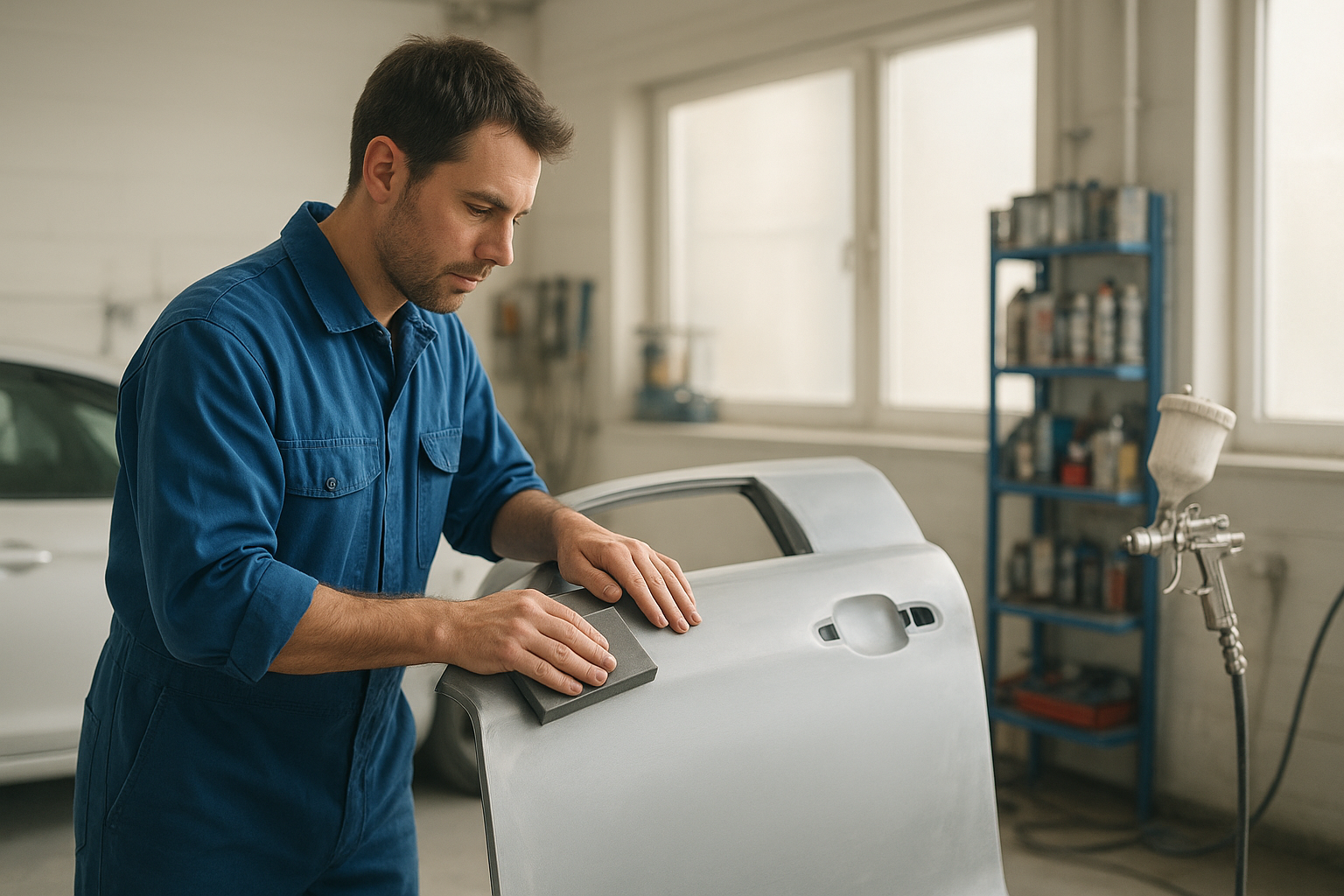
Finding an inexpensive auto body shop is one of the smartest moves you can make after a fender bender or parking lot scrape. However, many drivers assume that low prices always mean poor quality — and that simply is not true. In fact, with the right approach, you can save hundreds of dollars while still getting professional, lasting repairs.
According to the U.S. Bureau of Labor Statistics, there are over 150,000 auto body repair businesses operating across the United States, which means real competition — and real savings — are available if you know where to look.
What Is an Inexpensive Auto Body Shop?
An inexpensive auto body shop is a licensed repair facility that provides collision repair, dent removal, scratch correction, and paint services at below-average market prices. These shops achieve lower costs through streamlined operations, smart parts sourcing, and competitive labor rates — not by cutting corners on safety or materials.
Therefore, the key distinction is value: you want affordable pricing paired with reliable workmanship. A shop that charges less but uses quality techniques and stands behind its work is genuinely the best of both worlds.
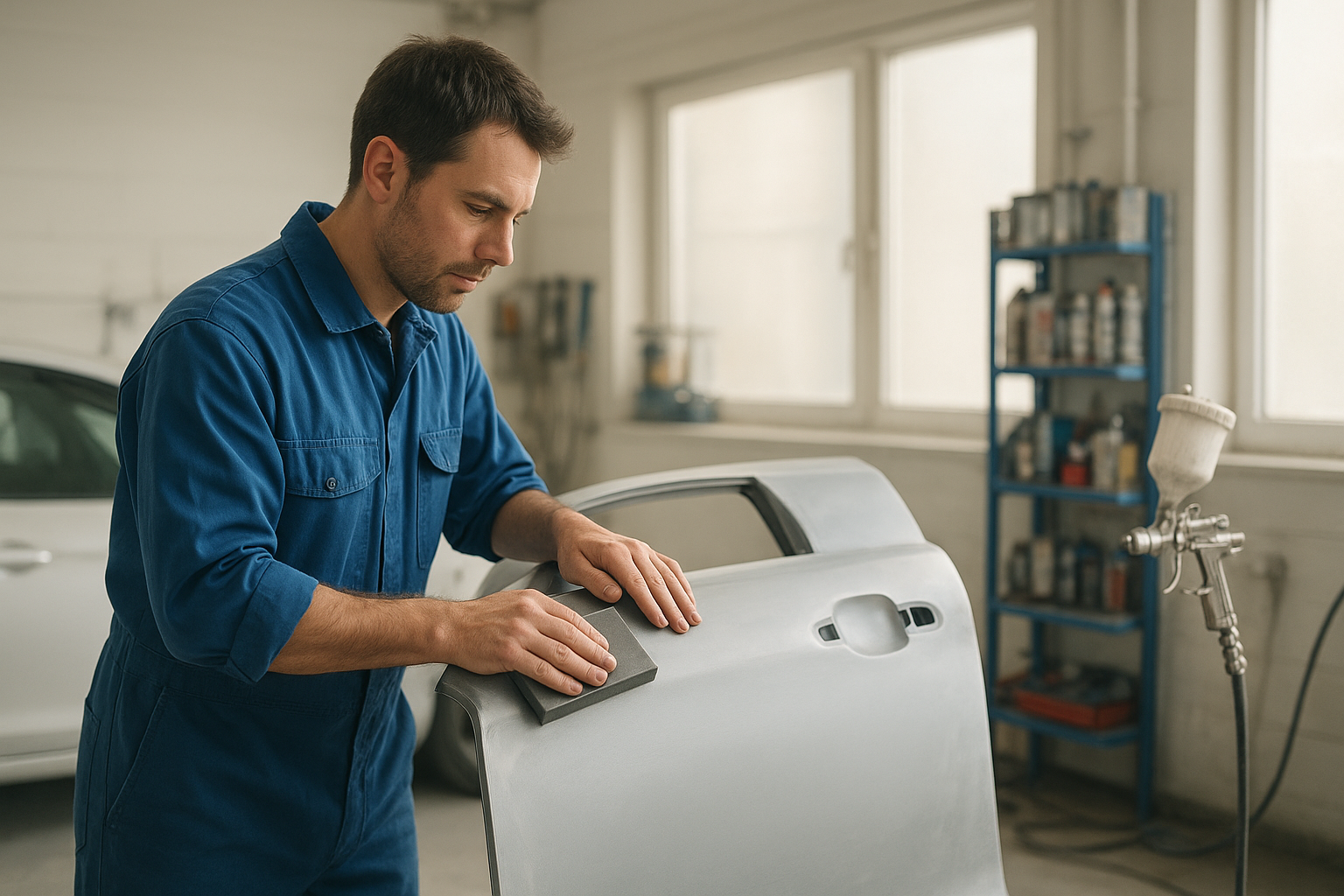
A skilled technician prepares a panel at an affordable auto body shop — quality work does not have to cost a fortune.
How to Find a Budget-Friendly Auto Body Shop Near You
Locating a trustworthy, low-cost repair shop takes a little research, but the payoff is significant. Follow these five steps to make a confident, informed decision.
- Assess the damage and document it. Before contacting any shop, photograph all damaged areas in good lighting. Having clear photos lets you share accurate information with estimators and prevents misunderstandings about scope.
- Gather at least three written estimates. Contact a minimum of three local shops and request itemized written quotes. Comparing labor rates, parts costs, and timelines side by side reveals where the real savings are.
- Verify certifications and read reviews. Check each shop for I-CAR Gold Class or ASE (Automotive Service Excellence) certification. Then read recent Google and Yelp reviews to confirm a track record of quality and fair dealing.
- Ask about parts options and warranties. Discuss whether OEM (Original Equipment Manufacturer) or aftermarket parts will be used. Confirm that a written warranty covers both parts and labor before you approve any work.
- Authorize the repair and confirm the timeline. Sign a written repair order that clearly states the total cost, parts to be used, and the estimated completion date. This protects you if any disputes arise later.
What Affects the Cost of Auto Body Repairs?
Several factors determine what you will pay, even at an affordable shop. Understanding them helps you budget realistically and spot overcharges.
Damage Severity
Minor cosmetic damage — such as a small dent or surface scratch — can cost as little as $50 to $300. In contrast, significant collision damage involving structural or frame repair can run from $1,500 to $5,000 or more. Consequently, getting repairs done quickly before rust or further damage sets in keeps costs lower.
Parts: OEM vs. Aftermarket
OEM parts are manufactured by your car’s original maker and typically cost 20% to 60% more than aftermarket alternatives. For cosmetic repairs, high-quality aftermarket parts often perform identically. Therefore, asking your shop to use certified aftermarket components is one of the easiest ways to reduce your bill without sacrificing results.
Labor Rates in Your Area
Labor rates vary widely by region. Urban shops in high cost-of-living cities typically charge $80 to $130 per hour, while suburban or rural shops may charge $50 to $80 per hour. Similarly, independent shops generally have lower overhead than dealership service centers, which translates directly into savings for you.
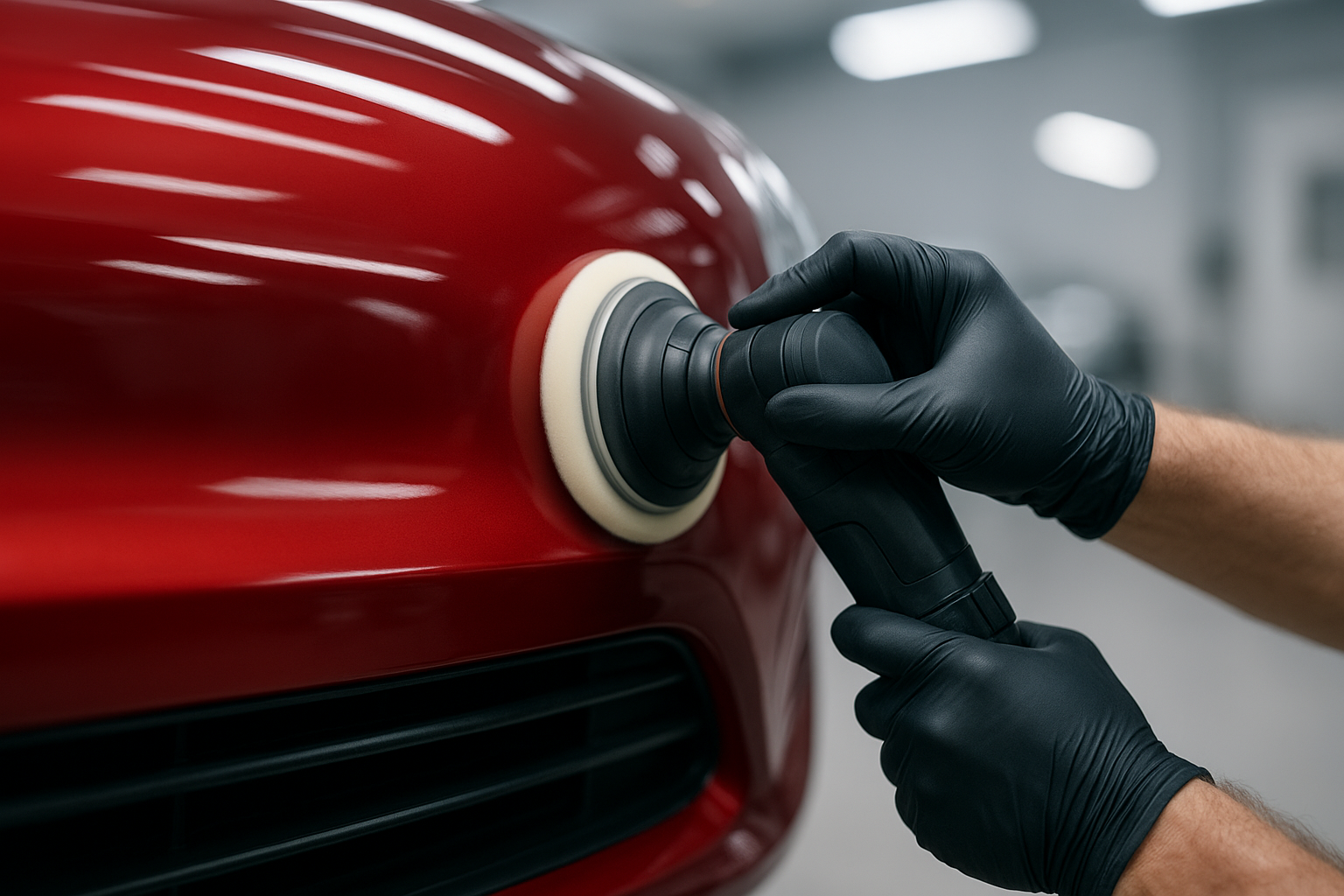
A color-matched paint repair completed at a budget-friendly auto body shop — the results speak for themselves.
Red Flags to Avoid When Choosing a Low-Cost Repair Shop
Not every cheap quote is a good deal. Specifically, watch out for these warning signs that a shop may deliver substandard work.
- No written estimate — a verbal quote offers no protection if the price changes.
- Pressure to decide immediately — reputable shops give you time to compare.
- No certifications or licenses displayed — always ask for proof of credentials.
- Unusually vague explanations about the repair process — transparency is a hallmark of quality shops.
- No warranty offered on labor or paint — even budget shops should back their work.
Furthermore, a quick check of the shop’s Better Business Bureau rating and any state licensing database can save you from a costly mistake. Resources like Brea Auto Body demonstrate how a shop can combine transparent pricing, certified technicians, and genuine affordability — so use established local shops as your benchmark.
Smart Ways to Lower Your Repair Bill Even Further
Even after finding a reasonably priced shop, there are additional strategies to stretch your dollar further. These tips apply whether you are paying out of pocket or filing an insurance claim.
Bundle Multiple Repairs
If your car has several minor issues, address them all at once. Shops often discount labor when multiple repairs are handled in a single visit, since setup and masking time is shared across jobs. As a result, bundling can save 10% to 20% compared to separate visits.
Pay in Cash When Possible
Some independent shops offer a small discount for cash payment, since it eliminates credit card processing fees. It is always worth asking politely — the worst they can say is no.
Check Your Insurance Deductible First
Before filing a claim, compare your deductible to the repair estimate. If the repair costs less than or close to your deductible, paying out of pocket avoids a potential premium increase. In addition, keeping your claims history clean can protect your long-term insurance rates.
For further guidance on understanding your auto insurance coverage and how it applies to body repairs, the Insurance Information Institute provides a clear and authoritative overview.
You can also explore our guide on how to prepare your car for a body shop visit to make the process faster and more cost-effective from the start.
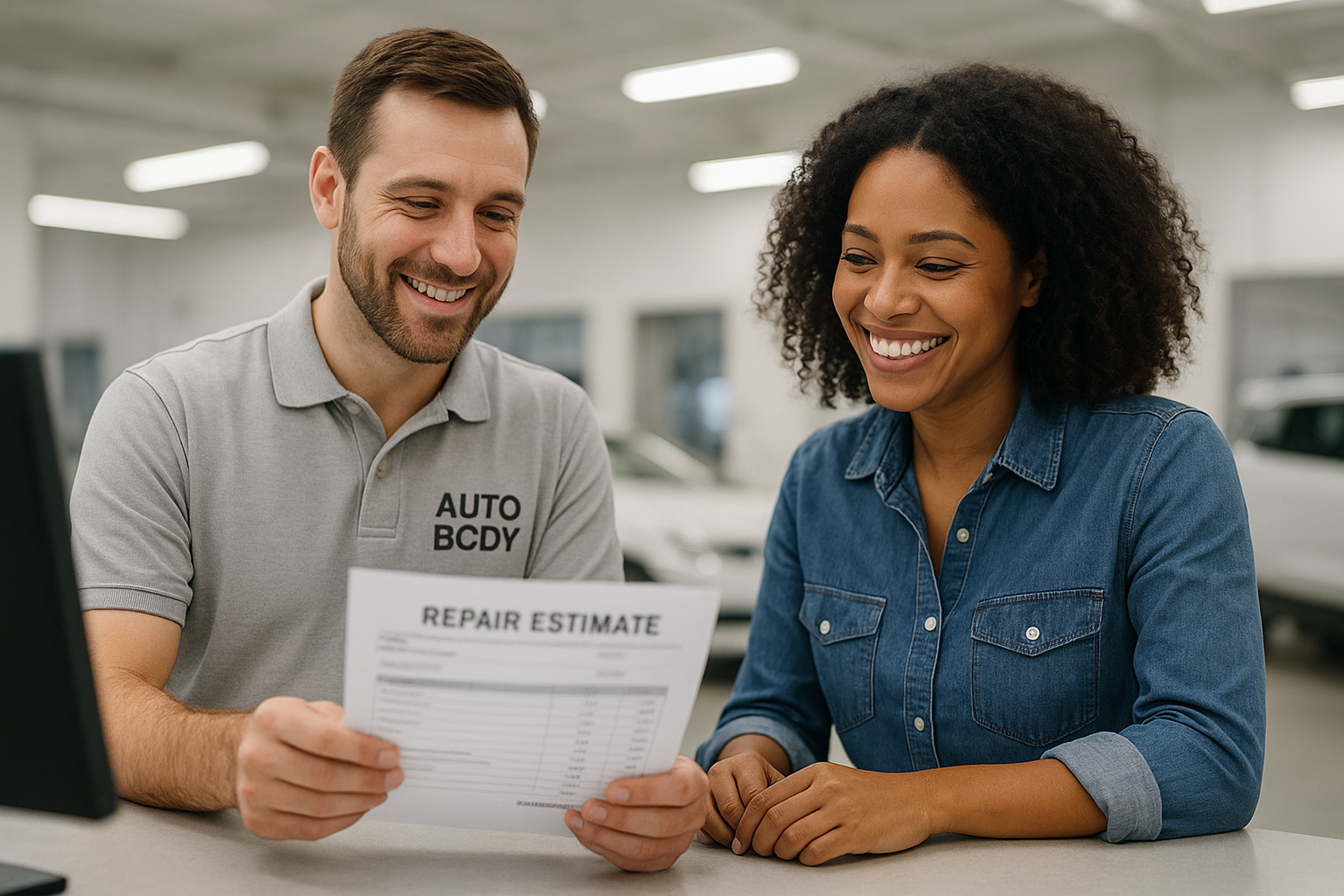
Reviewing a written estimate carefully is a key step when choosing any affordable collision repair shop.
Frequently Asked Questions About Inexpensive Auto Body Shops
What is an inexpensive auto body shop?
An inexpensive auto body shop is a repair facility that offers quality collision and cosmetic car repairs at lower-than-average prices. These shops achieve savings through efficient workflows, competitive parts sourcing, and lean overhead costs.
How do I find an inexpensive auto body shop near me?
Start by gathering at least three written estimates from local shops, then check online reviews on Google and Yelp. Ask friends or family for referrals, since word-of-mouth recommendations often lead to the most trustworthy and affordable options.
How much does auto body repair typically cost?
Minor dent repairs can range from $50 to $300, while more extensive collision work can run $500 to $2,500 or more. Paint jobs vary widely, from $300 for a basic single-panel repaint to several thousand dollars for a full vehicle respray.
Is cheap auto body repair safe?
Affordable does not automatically mean unsafe. A reputable budget shop uses proper repair techniques and quality materials. However, always verify certifications and ask about the parts and paint brands they use.
What certifications should an auto body shop have?
Look for I-CAR Gold Class certification and ASE-certified technicians. These credentials indicate ongoing training and adherence to industry repair standards, giving you confidence regardless of the shop’s price point.
Can I negotiate the price at an auto body shop?
Yes, many shops will negotiate, especially if you have competing estimates. Paying in cash, bundling multiple repairs, or agreeing to use aftermarket parts can also help reduce the final bill significantly.
What is the difference between OEM and aftermarket parts?
OEM parts are made by your car’s manufacturer and typically cost more. Aftermarket parts are produced by third-party companies, are usually less expensive, and can be of comparable quality for most cosmetic repairs.
Will my insurance cover auto body repairs?
Comprehensive and collision coverage typically pay for auto body repairs after you meet your deductible. If the other driver is at fault, their liability insurance should cover your repair costs instead.
How long does auto body repair usually take?
Minor repairs like small dents or scratches may be completed in one to two days. More extensive collision repairs can take one to two weeks, depending on parts availability and the shop’s current workload.
What are common mistakes to avoid when choosing a budget auto body shop?
Avoid choosing a shop based solely on the lowest price without checking reviews or certifications. Also, be cautious of shops that refuse to provide a written estimate or that cannot clearly explain the repair process.
Does an inexpensive auto body shop offer warranties?
Reputable affordable shops still offer warranties on their workmanship, often ranging from one year to a lifetime on paint and bodywork. Always ask for warranty terms in writing before authorizing any repairs.
What types of repairs can an auto body shop handle?
Auto body shops handle dent removal, scratch repair, bumper replacement, frame straightening, full and partial paint jobs, and collision damage restoration. Some shops also offer detailing and rust treatment services.
Conclusion: Getting the Best Value at an Affordable Body Shop
In summary, finding an inexpensive auto body shop that delivers genuine quality is entirely achievable with the right strategy. Gather multiple estimates, verify certifications, ask the right questions about parts and warranties, and watch for the red flags that signal a shop to avoid. Furthermore, taking advantage of bundled repairs, cash discounts, and smart insurance decisions can reduce your costs even further. Trusted local shops like Brea Auto Body show that affordability and craftsmanship can absolutely go hand in hand. Above all, remember that the best repair is one that keeps you safe on the road — and keeps more money in your pocket.

